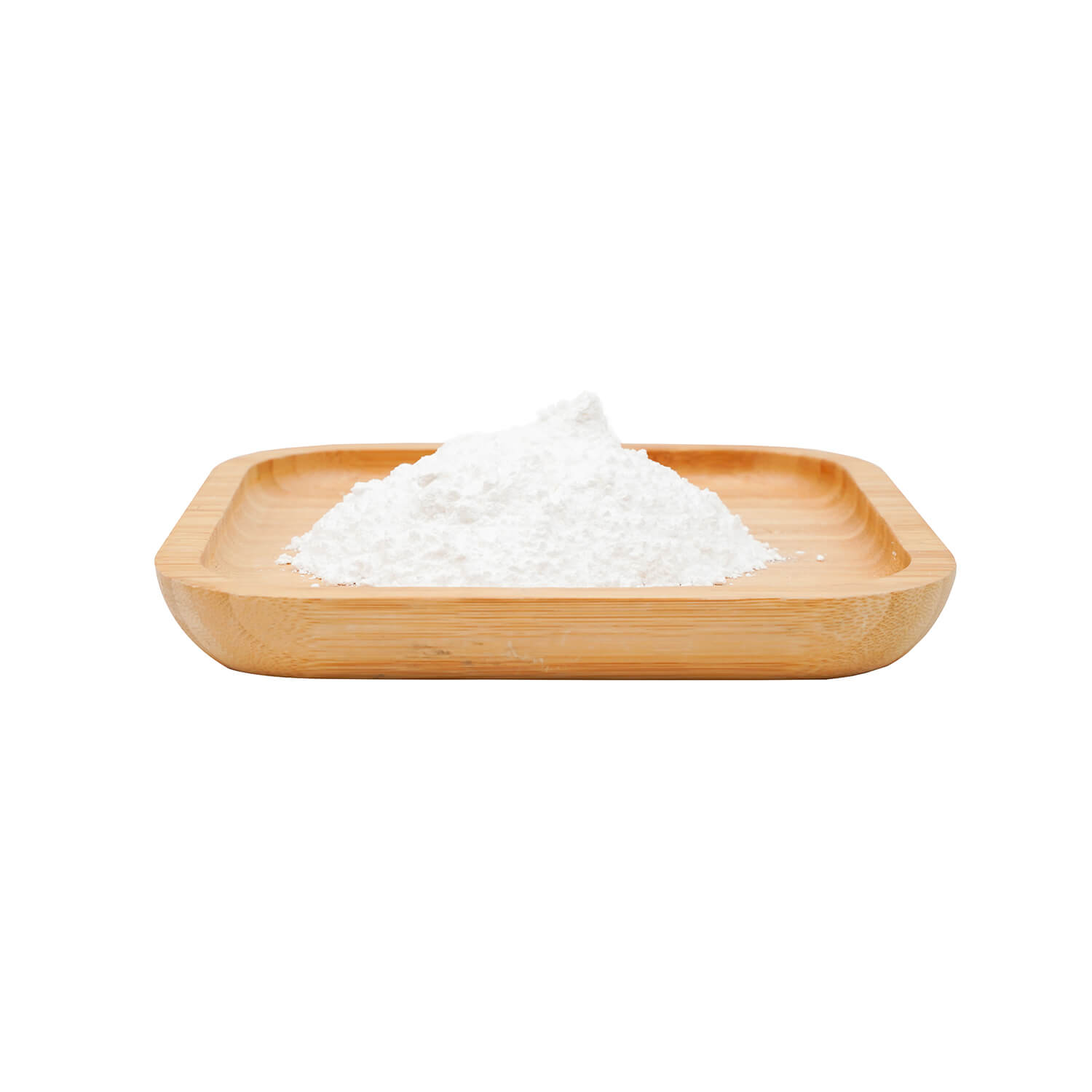
In recent years, the skincare product industry has been shifting from traditional plant extracts to more precise, efficient and standardized functional active ingredients.
The increasing demand from consumers for antioxidant, skin protection and eye care products has driven cosmetic researchers to seek new active ingredients with clear structures and stable properties.
Among these emerging cosmetic ingredients, Hesperidin Methyl Chalcone has attracted attention due to its unique flavonoid structure and potential applications in modern skincare formulations.
Unlike common citrus extracts that contain multiple natural compounds, Hesperidin Methyl Chalcone is a standardized flavonoid derivative designed for cosmetic formulation development.
This article explores what Hesperidin Methyl Chalcone is, its functional properties, and why it has become an interesting ingredient for skincare innovation.
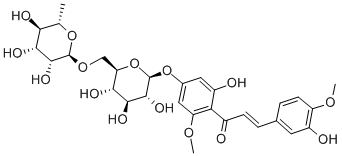 Hesperidin Methyl Chalcone (Cas 24292-52-2)
What Is Hesperidin Methyl Chalcone?
Hesperidin Methyl Chalcone (Cas 24292-52-2) is a modified flavonoid derivative derived from hesperidin, a citrus bioflavonoid naturally found in orange peel.
Through chemical modification, hesperidin is converted into a chalcone structure, creating an ingredient with improved formulation characteristics compared with traditional hesperidin.
For cosmetic developers, this transformation is important because cosmetic ingredients need not only biological activity but also:
- formulation compatibility
- stability
- reproducible quality
- ease of integration into finished products
Why Is Hesperidin Methyl Chalcone Becoming Popular in Skincare?
The growth of multifunctional skincare has increased demand for ingredients that provide multiple formulation possibilities.
1. A Flavonoid Ingredient with Antioxidant Potential
Environmental stress, UV exposure, and pollution are major factors considered in modern skincare formulation.
Flavonoids are widely studied cosmetic ingredients because of their antioxidant characteristics.
As a flavonoid derivative, Hesperidin Methyl Chalcone provides formulators with an option for developing antioxidant-focused skincare products.
Potential applications include:
- daily protective skincare
- anti-aging formulations
- premium facial care products
2. Suitable for Eye Care Formulations
One of the most discussed applications of Hesperidin Methyl Chalcone is eye care.
The eye area requires lightweight and comfortable formulations, which makes ingredient selection particularly important.
Due to its functional properties, Hesperidin Methyl Chalcone is commonly considered in formulations such as:
- eye creams
- eye gels
- targeted skincare products
For cosmetic brands developing next-generation eye care solutions, this ingredient offers another option for creating differentiated formulas.
3. Supports Development of Advanced Anti-Aging Products
Modern anti-aging products increasingly combine multiple active ingredients rather than relying on a single functional component.
Hesperidin Methyl Chalcone can be incorporated into formulations together with:
- peptides
- botanical extracts
- moisturizing ingredients
- skin-conditioning agents
This allows brands to develop multifunctional skincare products targeting different consumer needs.
Hesperidin Methyl Chalcone vs Hesperidin: What Makes Them Different?
Although both ingredients originate from citrus flavonoids, they have different structures and formulation characteristics.
| Hesperidin | Hesperidin Methyl Chalcone | |
|---|---|---|
| Source | Citrus flavonoid | Modified hesperidin derivative |
| Structure | Flavanone glycoside | Chalcone derivative |
| Cosmetic application | Limited formulation use | More frequently explored in specialized skincare |
| Development focus | Natural compound | Functional cosmetic active |
The structural modification provides Hesperidin Methyl Chalcone with different physicochemical characteristics, making it attractive for cosmetic formulation research.
Applications of Hesperidin Methyl Chalcone in Cosmetic Formulations
Today, Hesperidin Methyl Chalcone can be found in several cosmetic development concepts, including:
1. Eye Care Products
Common formats:
- eye creams
- eye serums
- under-eye care products
2. Facial Skincare
Applications include:
- moisturizing creams
- antioxidant serums
- premium skincare emulsions
3. Specialized Skincare Formulations
Ingredient combinations may include:
- peptides
- vitamins
- botanical actives
The versatility of Hesperidin Methyl Chalcone makes it suitable for brands seeking innovative ingredient solutions.
Why Choose Natural Micron Pharm for Hesperidin Methyl Chalcone?
As a professional supplier of cosmetic and health ingredient raw materials, Natural Micron Pharm focuses on providing reliable ingredient solutions for global B2B customers.
Our Hesperidin Methyl Chalcone is supplied with strict quality control procedures to support:
- cosmetic brands
- formulation laboratories
- ingredient distributors
- product developers
With experience in cosmetic active ingredients and customized supply solutions, Natural Micron Pharm helps partners transform innovative ingredient concepts into commercial formulations.
Contact Natural Micron Pharm today to learn more about our Hesperidin Methyl Chalcone supply solutions.
Conclusion
The increasing demand for multifunctional skincare ingredients continues to drive innovation in cosmetic formulation.
With its citrus-derived origin, flavonoid structure, and versatile cosmetic applications, Hesperidin Methyl Chalcone has become an ingredient worth exploring for modern skincare development.
From eye care products to advanced anti-aging formulations, this ingredient provides cosmetic developers with new opportunities to create differentiated skincare solutions.
FAQ
Q1. What is Hesperidin Methyl Chalcone?
Hesperidin Methyl Chalcone is a flavonoid-derived cosmetic ingredient developed from hesperidin, a citrus bioflavonoid naturally found in orange peel.
Through structural modification, hesperidin is converted into a chalcone derivative with different physicochemical properties, making it suitable for modern cosmetic formulations.
Due to its antioxidant characteristics and formulation versatility, Hesperidin Methyl Chalcone is commonly explored in skincare products, especially eye care and anti-aging formulations.
Q2. Is Hesperidin Methyl Chalcone suitable for anti-aging formulations?
Yes, Hesperidin Methyl Chalcone is commonly considered for anti-aging skincare concepts.
Modern anti-aging formulations often combine multiple active ingredients to address different formulation goals. Due to its flavonoid-derived properties, Hesperidin Methyl Chalcone can be combined with ingredients such as peptides, vitamins, and botanical extracts to develop advanced skincare products.
Q3. How should Hesperidin Methyl Chalcone be incorporated into cosmetic formulations?
The incorporation method depends on the final product system, formulation technology, and compatibility with other ingredients.
Cosmetic R&D teams usually evaluate factors including:
- Formula stability
- Ingredient compatibility
- Processing conditions
- Final product requirements
Professional ingredient suppliers can provide technical documentation and formulation support to help optimize the use of Hesperidin Methyl Chalcone.