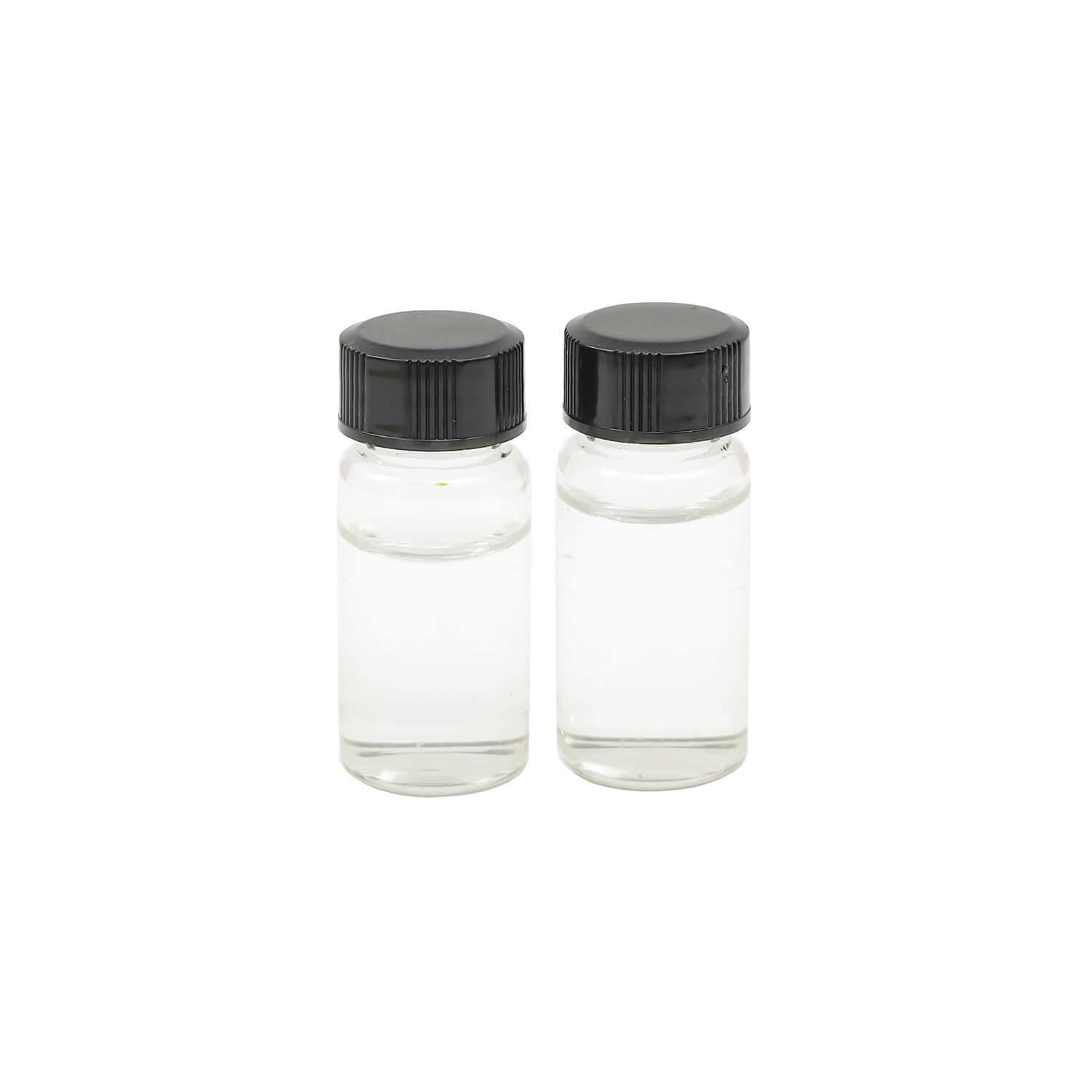
As the global skincare industry continues to shift toward regenerative beauty and advanced anti-aging solutions, Polydeoxyribonucleotide (PDRN, Cas 100403-24-5) has become one of the most discussed cosmetic ingredients in premium skincare formulations. Also known as Sodium DNA, Polydeoxyribonucleotide is increasingly used in serums, creams, skin boosters, and post-treatment skincare products designed to support skin revitalization and moisture balance.
Derived from purified DNA fragments, Polydeoxyribonucleotide (PDRN) is widely recognized in cosmetic applications for its compatibility with modern skin repair and anti-aging formulations. With the rapid growth of K-beauty inspired regenerative skincare, demand for high-quality Polydeoxyribonucleotide raw material continues to increase among cosmetic brands, OEM manufacturers, and professional skincare developers worldwide.
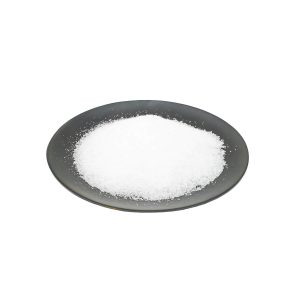 Polydeoxyribonucleotide (PDRN) Raw
What Is Polydeoxyribonucleotide (PDRN)?
Polydeoxyribonucleotide (PDRN) is a cosmetic-grade ingredient composed of low molecular weight DNA fragments. In cosmetic formulations, Polydeoxyribonucleotide is valued for its ability to support skin-conditioning systems and premium anti-aging skincare concepts.
The ingredient is commonly sourced from purified salmon-derived DNA and processed into highly refined cosmetic raw material suitable for topical skincare formulations. In the cosmetics industry, Polydeoxyribonucleotide is also widely referred to as PDRN or Sodium DNA.
Product Information
| Item | Details |
|---|---|
| Product Name | Polydeoxyribonucleotide |
| Other Names | PDRN, Sodium DNA |
| CAS No. | 100403-24-5 |
| Appearance | White to off-white powder |
| Application | Cosmetic formulations |
| Grade | Cosmetic Grade |
Today, Polydeoxyribonucleotide is frequently incorporated into high-end skincare products associated with skin hydration, barrier support, soothing care, and anti-aging cosmetic applications.
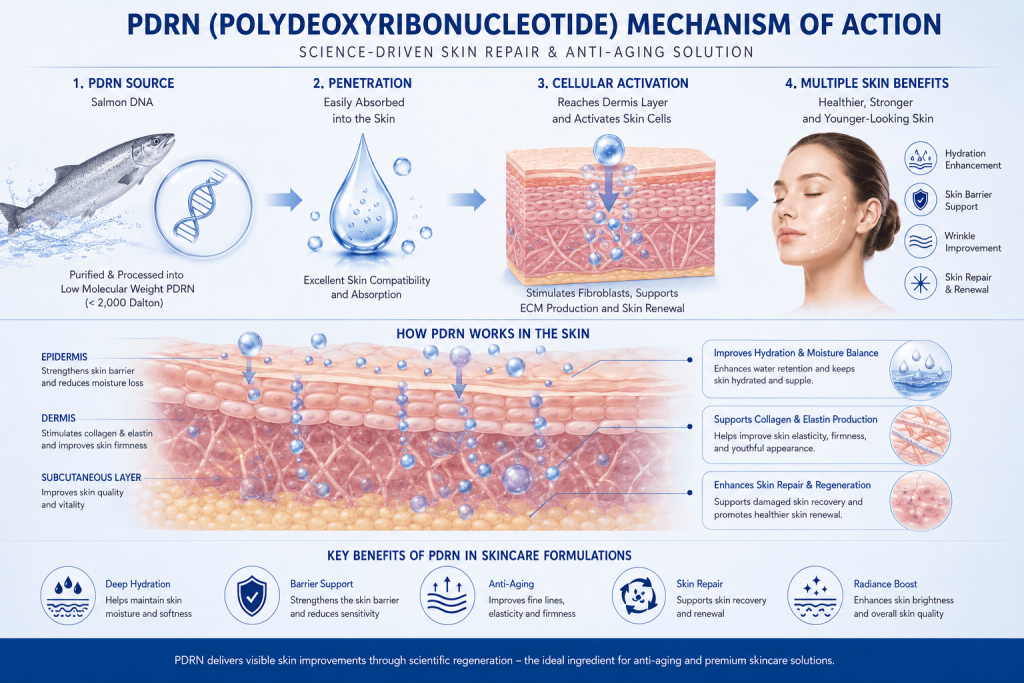 PDRN(Polydeoxyribonucleotide) Mechanism of action
Benefits of Polydeoxyribonucleotide in Cosmetic Formulations
1. Supports Anti-Aging Skincare Concepts
Polydeoxyribonucleotide is widely used in premium anti-aging formulations designed to improve the appearance of tired and aging skin. Many skincare brands incorporate PDRN into products targeting smoother and healthier-looking skin appearance.
Typical applications include:
- Anti-aging serums
- Firming creams
- Intensive repair ampoules
- Luxury facial treatments
2. Suitable for Skin Barrier Support Formulations
Modern skincare formulations increasingly focus on moisture retention and barrier-friendly ingredients. Polydeoxyribonucleotide raw material is often selected for formulations intended to support skin comfort and hydration balance.
This makes PDRN suitable for:
- Sensitive skin products
- Hydrating skincare
- Recovery-focused cosmetic products
- Professional post-care skincare systems
3. Popular in Regenerative Beauty Trends
The growing popularity of regenerative beauty and skin-revitalizing skincare has significantly increased global demand for Polydeoxyribonucleotide cosmetic ingredients.
Many Korean-inspired skincare brands now utilize:
- Salmon DNA skincare concepts
- PDRN serums
- Skin booster formulations
- Intensive skincare ampoules
As a result, Polydeoxyribonucleotide has become a trending ingredient in high-performance cosmetic product development.
Applications of Polydeoxyribonucleotide in Skincare Formulations
Due to its versatility, Polydeoxyribonucleotide (PDRN) can be incorporated into various cosmetic formulations across both consumer and professional skincare markets.
Common Applications Include:
Serums and Ampoules: Frequently used in concentrated skincare products designed for premium anti-aging and hydration positioning.
Facial Creams: Suitable for moisturizing and skin-conditioning cosmetic formulations.
Sheet Masks: Applied in intensive hydration and revitalizing skincare concepts.
Post-Treatment Skincare: Commonly formulated into skincare products intended for use after cosmetic procedures.
Skin Boosters: Increasingly popular in advanced skincare and professional beauty sectors.
Luxury K-Beauty Products: Widely used in Korean-inspired skincare innovation and regenerative beauty concepts.
For cosmetic manufacturers and OEM factories, Polydeoxyribonucleotide raw material offers strong formulation flexibility and growing market recognition.
Why Is Polydeoxyribonucleotide Trending in the Global Skincare Market?
The rising popularity of Polydeoxyribonucleotide is closely connected to the rapid expansion of:
- Regenerative skincare
- Premium anti-aging cosmetics
- Korean beauty trends
- Professional skincare treatments
- Skin barrier-focused formulations
Consumers are increasingly seeking skincare products that combine advanced ingredient technology with premium positioning. As a result, cosmetic brands are actively exploring innovative ingredients such as Polydeoxyribonucleotide (PDRN) to differentiate their product lines.
Additionally, social media discussions around:
- Salmon DNA skincare
- PDRN serums
- Korean skin boosters
- Glass skin routines
have further accelerated international interest in Polydeoxyribonucleotide skincare applications.
Choose a Reliable Polydeoxyribonucleotide (PDRN) Supplier for Your Cosmetic Formulations
Selecting a professional Polydeoxyribonucleotide (PDRN) supplier is essential for ensuring formulation stability, product quality, and long-term market competitiveness. For cosmetic brands, OEM manufacturers, and skincare developers, high-quality Polydeoxyribonucleotide raw material should offer reliable purity, cosmetic-grade manufacturing standards, stable global supply capability, and complete technical documentation including COA and MSDS support.
As an experienced cosmetic ingredient supplier, NM PHARMTECH provides cosmetic-grade Polydeoxyribonucleotide (PDRN), also known as Sodium DNA, for advanced skincare and anti-aging formulations. Our PDRN raw material is suitable for serums, creams, skin boosters, ampoules, and premium regenerative skincare products developed for global cosmetic markets.
Why Choose Natural Micron?
- Cosmetic-grade Polydeoxyribonucleotide (PDRN)
- Stable bulk supply for B2B customers
- OEM & private label support
- Export experience for global markets
- COA, MSDS, and technical documentation available
- Suitable for anti-aging and skin-repair skincare formulations
Whether you are developing next-generation K-beauty products, professional skincare solutions, or premium anti-aging formulations, NM PHARMTECH can support your sourcing and formulation needs with reliable Polydeoxyribonucleotide raw material supply.
👉 Contact Natural Micron today for samples, specifications, and bulk quotation support.
FAQ
Q1. What is Polydeoxyribonucleotide (PDRN)?
Polydeoxyribonucleotide (PDRN) is a cosmetic-grade ingredient composed of purified DNA fragments, commonly derived from salmon DNA. It is widely used in anti-aging, skin-conditioning, and regenerative skincare formulations.