Protein-derived ingredients have become an important category in modern cosmetic formulation development due to their unique composition, multifunctional properties, and compatibility with various personal care systems. Among these ingredients, Hydrolyzed Elastin has attracted attention as a versatile cosmetic ingredient used in skincare and haircare formulations.
Elastin is a structural protein naturally associated with connective tissues, providing flexibility and resilience within biological structures. However, the native elastin molecule has a complex and highly cross-linked structure, which limits its direct application in cosmetic formulations.
Through controlled hydrolysis, elastin is converted into smaller peptide fragments with improved solubility and formulation adaptability. This process creates Hydrolyzed Elastin, a protein-derived ingredient commonly used for its conditioning, moisturizing support, and film-forming properties in cosmetic products.
With increasing interest in functional proteins and peptide-based ingredients, Hydrolyzed Elastin continues to be explored by cosmetic formulators developing advanced skincare, haircare, and personal care products.
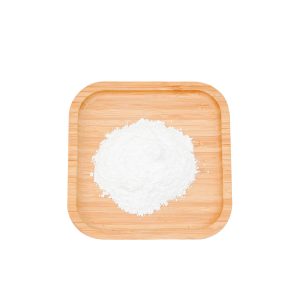 Hydrolyzed Elastin Powder
What Is Hydrolyzed Elastin?
Hydrolyzed Elastin(Cas 100085-10-7) is a hydrolysate derived from elastin protein through enzymatic or chemical hydrolysis processes.
During hydrolysis, the large elastin protein structure is broken down into smaller peptides and amino acid fragments. Compared with intact elastin, these smaller components offer better dispersion and improved compatibility with aqueous cosmetic formulations.
The reduced molecular size allows Hydrolyzed Elastin to be incorporated into different cosmetic systems, including creams, lotions, serums, masks, and hair conditioning products.
In cosmetic formulations, Hydrolyzed Elastin is mainly valued as a skin conditioning and hair conditioning ingredient. Its peptide-based structure provides formulators with additional options for improving product texture, sensory characteristics, and overall formulation performance.
Structural Characteristics of Hydrolyzed Elastin
The functional performance of Hydrolyzed Elastin is closely related to its peptide structure and amino acid composition.
1. Smaller Peptide Structure
Native elastin contains a highly organized protein network with limited water solubility. Hydrolysis reduces the molecular size of elastin into smaller peptide chains.
These smaller peptides provide several formulation advantages:
- Improved water dispersibility
- Better compatibility with cosmetic bases
- Easier incorporation into skincare and haircare systems
This transformation allows Hydrolyzed Elastin to become a more practical ingredient for modern cosmetic formulations.
2. Amino Acid Composition
Like other protein-derived ingredients, Hydrolyzed Elastin contains amino acid components originating from elastin protein.
These peptide fragments contribute to its cosmetic functionality, particularly in formulations designed for conditioning, moisturizing support, and improving skin or hair feel.
The composition of Hydrolyzed Elastin makes it suitable for formulators seeking protein-based ingredients with a smooth sensory profile and flexible application range.
Functional Properties of Hydrolyzed Elastin in Cosmetic Formulations
1. Skin Conditioning Properties
One of the primary applications of Hydrolyzed Elastin is its use as a skin conditioning ingredient.
When incorporated into skincare formulations, it can contribute to a smoother and softer skin feel, making it suitable for products focused on improving texture and sensory performance.
Common applications include:
- Facial creams
- Moisturizing lotions
- Facial essences
- Sheet masks
- Premium skincare formulations
For cosmetic brands developing multifunctional skincare products, Hydrolyzed Elastin provides a protein-derived ingredient option that supports product positioning around skin conditioning and hydration.
2. Moisturizing Support
Maintaining skin hydration remains a major focus in cosmetic formulation development.
Due to its peptide structure, Hydrolyzed Elastin can contribute to the moisturizing characteristics of finished products by supporting water retention within formulations and improving the overall skin feel after application.
It is often combined with other moisturizing ingredients, such as:
- Hyaluronic Acid
- Collagen Peptides
- Amino Acids
- Botanical extracts
to develop balanced hydration systems.
The compatibility of Hydrolyzed Elastin with different active ingredients makes it suitable for a wide range of moisturizing and conditioning formulations.
3. Film-Forming Performance
Another important characteristic of Hydrolyzed Elastin is its film-forming ability.
Protein hydrolysates can create a lightweight film on the surface of skin or hair, contributing to improved smoothness and enhanced sensory properties.
In cosmetic applications, this property is particularly valuable for:
- Hair conditioning products
- Leave-in treatments
- Skin smoothing formulations
The film-forming characteristics of Hydrolyzed Elastin help formulators improve the user experience of finished products while maintaining a lightweight texture.
Applications of Hydrolyzed Elastin in Cosmetic Products
1. Skincare Formulations
Skincare remains one of the major application areas for Hydrolyzed Elastin.
It can be incorporated into various products, including:
- Anti-aging positioning products
- Moisturizing creams
- Facial serums
- Sleeping masks
- Skin conditioning treatments
Its versatility allows cosmetic developers to use Hydrolyzed Elastin in formulations designed for different skin care concepts, especially products emphasizing hydration, smooth texture, and premium ingredient profiles.
2. Eye Care Products
Eye care formulations often require ingredients with good sensory properties and formulation compatibility.
Hydrolyzed Elastin can be used in eye creams and eye serums where lightweight texture and conditioning performance are important considerations.
Its protein-derived characteristics make it suitable for supporting the development of delicate skincare formulations.
3.Hair Care Applications
Beyond skincare, Hydrolyzed Elastin is also utilized in hair care formulations.
Hair products often incorporate protein hydrolysates to improve conditioning performance and enhance hair feel.
Typical applications include:
- Shampoos
- Hair conditioners
- Hair masks
- Repair treatments
- Leave-in products
In these formulations, Hydrolyzed Elastin contributes to softness, smoothness, and improved manageability of hair.
Hydrolyzed Elastin in Modern Cosmetic Formulation Development
The cosmetic industry continues to explore ingredients that combine functional performance with a strong scientific background.
Protein-based cosmetic ingredients remain attractive because they provide formulators with additional tools for creating differentiated products.
Compared with traditional moisturizing ingredients, Hydrolyzed Elastin offers a unique protein-derived approach by combining:
- Conditioning properties
- Moisturizing support
- Film-forming characteristics
- Broad formulation compatibility
These characteristics allow Hydrolyzed Elastin to be incorporated into diverse cosmetic systems, from daily skincare products to professional personal care formulations.
Hydrolyzed Elastin Supplied by Natural Micron Pharm
Natural Micron Pharm specializes in supplying high-quality cosmetic raw materials for global skincare, personal care, and formulation companies.
Our Hydrolyzed Elastin is developed for cosmetic applications where reliable quality, formulation flexibility, and professional technical support are required.
With experience in cosmetic ingredient supply, Natural Micron Pharm provides:
- Cosmetic raw material solutions for global customers
- Professional product documentation support
- Flexible supply options
- OEM and ODM cooperation opportunities
Whether used in skincare creams, facial serums, masks, or hair care products, Hydrolyzed Elastin offers formulators a versatile protein-based ingredient for innovative product development.
Contact Natural Micron Pharm today to discuss Hydrolyzed Elastin solutions for your cosmetic formulation projects.
Conclusion
Hydrolyzed Elastin is a functional protein-derived cosmetic ingredient with broad application potential in modern skincare and haircare formulations.
Through hydrolysis technology, elastin is transformed into smaller peptides with improved usability and formulation compatibility. Its conditioning properties, moisturizing support, and film-forming characteristics make it suitable for various personal care products.
As cosmetic formulation continues moving toward multifunctional and scientifically oriented ingredients, Hydrolyzed Elastin remains a valuable option for brands and manufacturers developing advanced cosmetic products.
FAQ
Q1. What is Hydrolyzed Elastin?
Hydrolyzed Elastin is a protein-derived cosmetic ingredient produced by breaking down elastin protein into smaller peptide fragments through hydrolysis. Compared with native elastin, Hydrolyzed Elastin offers improved solubility and better compatibility with cosmetic formulations, making it suitable for skincare and haircare applications.
Q2. What is the difference between Elastin and Hydrolyzed Elastin?
Elastin is a naturally occurring structural protein with a complex molecular structure. Due to its large molecular size and limited solubility, its direct use in cosmetic formulations can be challenging.
Hydrolyzed Elastin is produced by breaking elastin into smaller peptides, which improves its dispersibility and makes it more suitable for incorporation into modern cosmetic products.
Q3. Can Hydrolyzed Elastin be combined with other cosmetic ingredients?
Yes. Hydrolyzed Elastin can be formulated together with various cosmetic ingredients, including:
- Hyaluronic Acid
- Collagen Peptides
- Amino Acids
- Botanical Extracts
- Other cosmetic peptides
The final formulation design should consider factors such as pH conditions, processing temperature, and ingredient compatibility.
Q4. Is Hydrolyzed Elastin suitable for anti-aging cosmetic formulations?
Hydrolyzed Elastin is frequently used in anti-aging positioning skincare products because protein-derived ingredients are often associated with advanced skincare concepts.
In formulations, it is mainly used for its conditioning, moisturizing support, and sensory benefits rather than as a single functional active ingredient.


