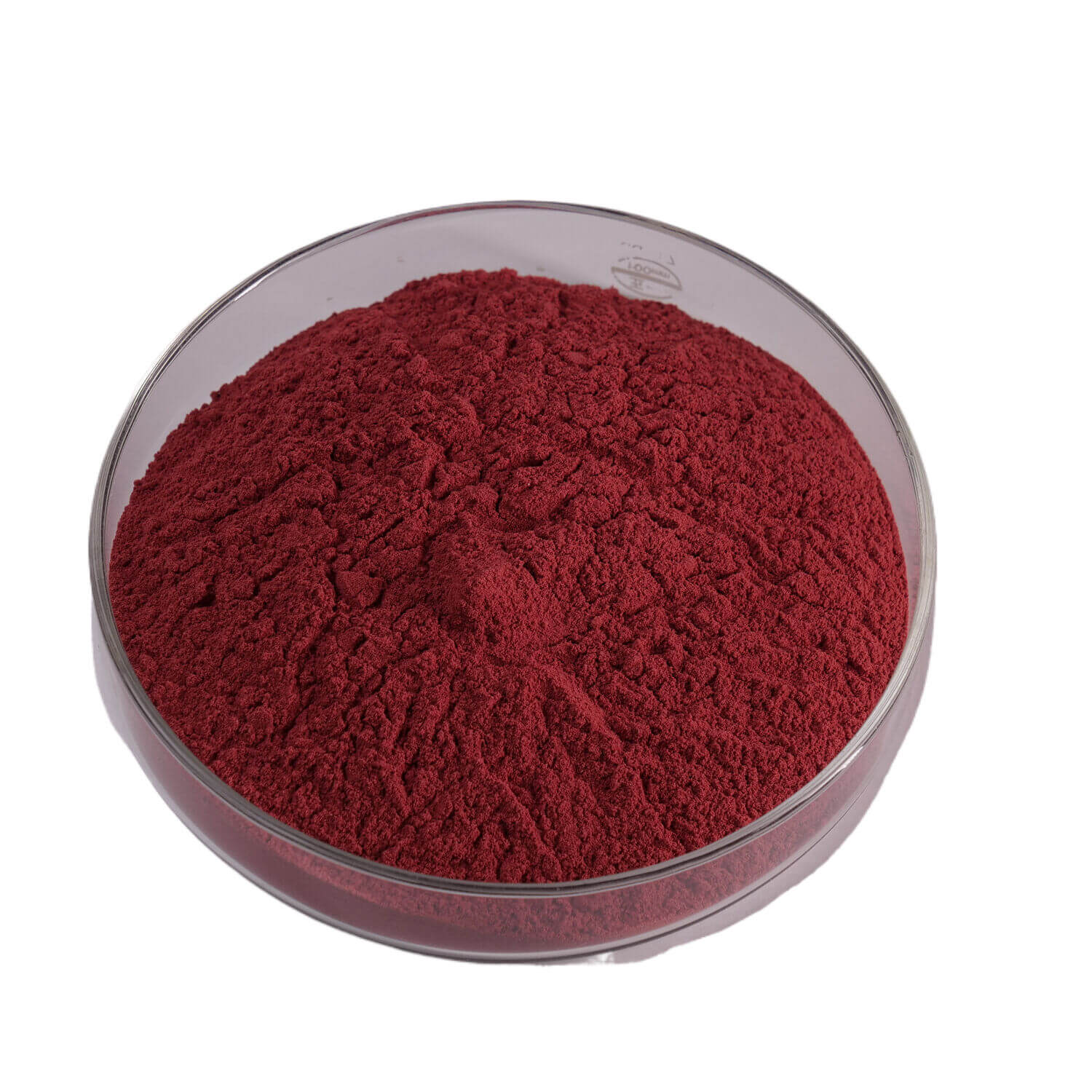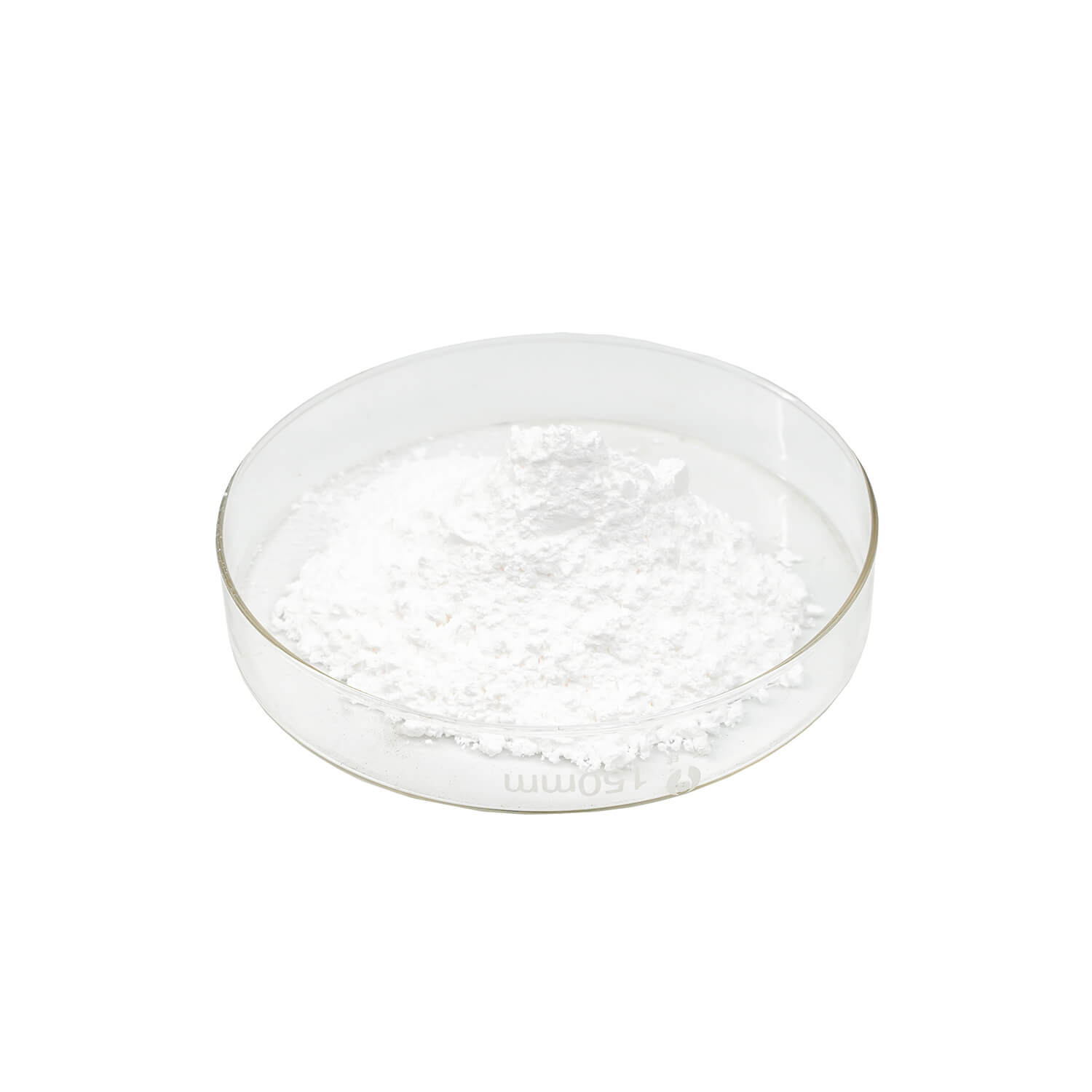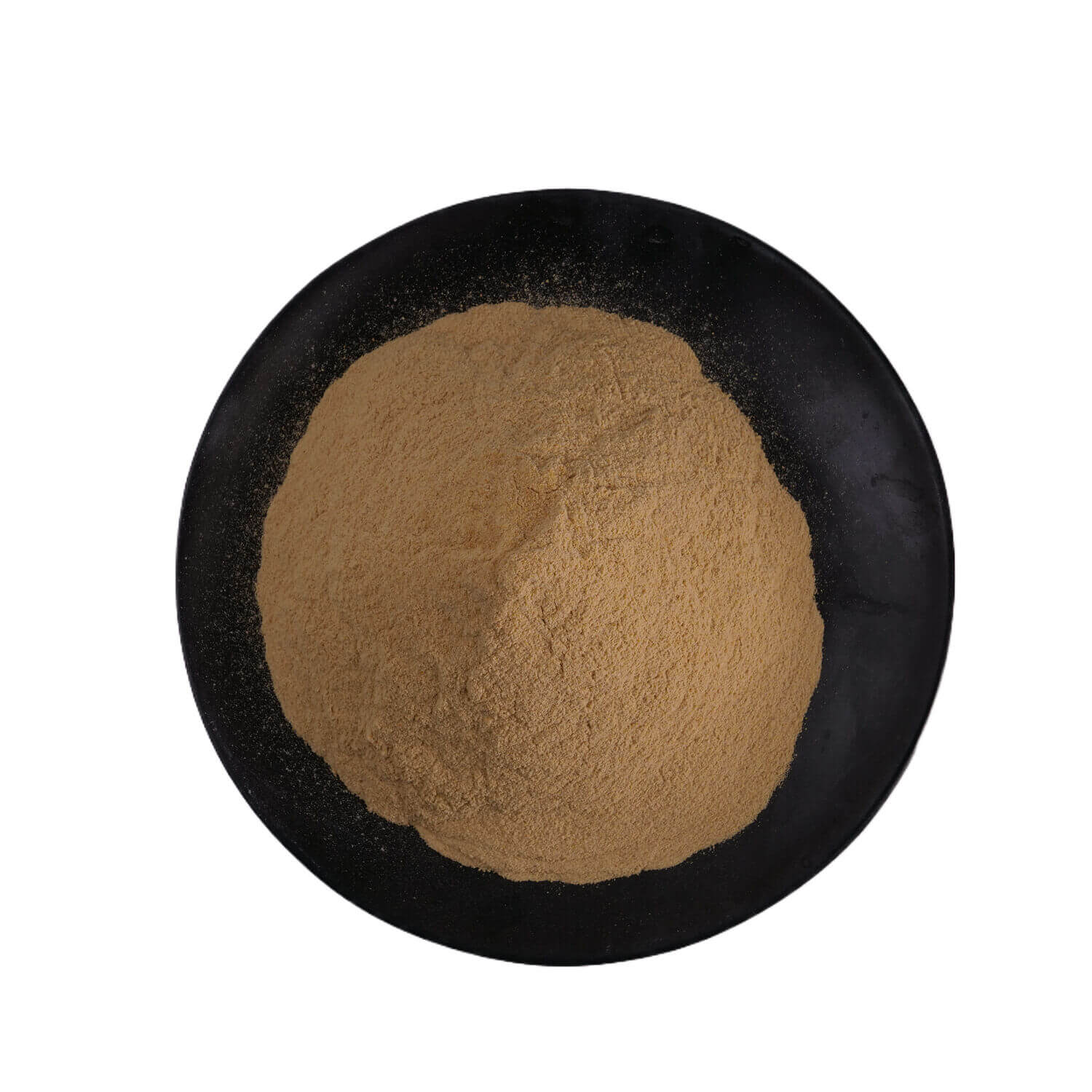
Product Name: Di-μ-chlorobis[(p-cyMene)chlororutheniuM(II)
Other Name: Dichloro(p-cymene)ruthenium(II) dimer; Dichloro(p-cymene)ruthenium dimer; (p-Cymene)ruthenium(II) chloride dimer Benzene; 1-methyl-4-(1-methylethyl)-, ruthenium complex
CAS No.: 52462-29-0
Chemical Structure:

Di-μ-chlorobis[(p-cyMene)chlororutheniuM(II) Application:
Di-μ-chlorobis[(p-cymene)chlororuthenium(II)], also known as [(p-cymene)RuCl₂]₂, is a highly stable organoruthenium complex widely employed as a precursor in homogeneous catalysis and organometallic chemistry. This compound consists of two ruthenium centers bridged by chlorides and coordinated to p-cymene ligands, offering a well-defined and tunable structure ideal for further ligand exchange or catalyst formation. Its high solubility in organic solvents and strong metal–arene interaction make it an excellent starting material for developing ruthenium-based catalysts used in hydrogenation, oxidation, and C–C bond-forming reactions. Because of its reactivity and robustness, it has become a core intermediate in academic and industrial synthesis involving transition metal catalysis.
Applications:
Catalyst Precursor for Organometallic Chemistry – Widely used as a building block for synthesizing advanced ruthenium complexes. Its well-defined structure provides a foundation for developing catalysts in cross-coupling, hydrogenation, and oxidation processes with high selectivity and efficiency.
Homogeneous Catalysis in Fine Chemical Production – Utilized in the manufacture of fine chemicals and specialty intermediates where controlled catalytic performance is required. The compound’s ability to form reactive yet stable metal–ligand systems ensures reproducible reaction outcomes at both laboratory and industrial scales.
Academic and Research Applications – Commonly used in inorganic and coordination chemistry research as a reference complex or starting material for studying metal–ligand interactions. Its versatility supports a wide range of catalyst design and mechanistic studies in organometallic catalysis.
Di-μ-chlorobis[(p-cymene)chlororuthenium(II)] is valued for its structural stability, consistent catalytic activity, and adaptability in complex reaction systems. Its balance of robustness and reactivity makes it a preferred choice for researchers and industrial chemists developing next-generation ruthenium catalysts.
Di-μ-chlorobis[(p-cyMene)chlororutheniuM(II) Packaging and Shipping:
Packaging: 1g/ bag, 10g/ bag, 1kg/bag or as customer’s required.
Shipping : DHL/ FedEx/ Air shipping
Di-μ-chlorobis[(p-cyMene)chlororutheniuM(II) Storage:
Store in Dry and Ventilated place with the Room Temperature, Preserved in Original Tight-Closed containers, Keep Away from Light and Heating.