Sodium dichloroacetate (CAS 2156-56-1) is a well-defined small-molecule compound derived from dichloroacetic acid. It is primarily recognized for its role in biochemical research involving cellular metabolism and mitochondrial function. Due to its high solubility in water and stable physicochemical profile, sodium dichloroacetate is suitable for controlled laboratory use and reproducible experimental conditions.
At the molecular level, sodium dichloroacetate is associated with the regulation of metabolic flux within cells. Its interaction with mitochondrial enzyme systems makes it a relevant compound in studies focused on energy production, enzymatic control, and metabolic pathway modulation.
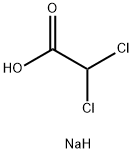 CAS 2156-56-1
What Is Sodium Dichloroacetate Used For?
1. Metabolic and Mitochondrial Research
A core application of sodium dichloroacetate lies in metabolic and mitochondrial studies, particularly those examining how cells generate and regulate energy.
- Sodium dichloroacetate is widely used to study the pyruvate dehydrogenase (PDH) complex, a key regulatory point between glycolysis and the tricarboxylic acid (TCA) cycle.
- It helps researchers analyze how metabolic intermediates are directed toward either energy production or alternative biochemical pathways.
- The compound is frequently applied in experimental models investigating mitochondrial efficiency and cellular respiration dynamics.
Because of these characteristics, sodium dichloroacetate is commonly included in protocols designed to evaluate metabolic switching and mitochondrial activity.
2. Pharmaceutical and Preclinical Research Applications
In pharmaceutical research, sodium dichloroacetate is used as a tool compound in early-stage and preclinical investigations.
- It supports studies focused on metabolic regulation and biochemical signaling pathways.
- Researchers use sodium dichloroacetate to observe how metabolic enzymes respond under controlled experimental conditions.
- It is also incorporated into in vitro and in vivo models where metabolic behavior is a key variable.
Importantly, sodium dichloroacetate is not approved as a therapeutic drug, and its use remains limited to research, analytical, and controlled experimental contexts.
3. Chemical Intermediate and Process Applications
Beyond laboratory research, sodium dichloroacetate functions as a chemical intermediate in specialized industrial processes.
- It can be utilized in the synthesis of chlorinated organic compounds and other fine chemicals.
- The compound’s consistent reactivity profile allows it to be used in controlled reaction systems where predictability is essential.
- Its stability under standard storage and handling conditions supports repeatable use in industrial workflows.
These features make sodium dichloroacetate suitable for applications requiring reliable chemical performance and consistent output.
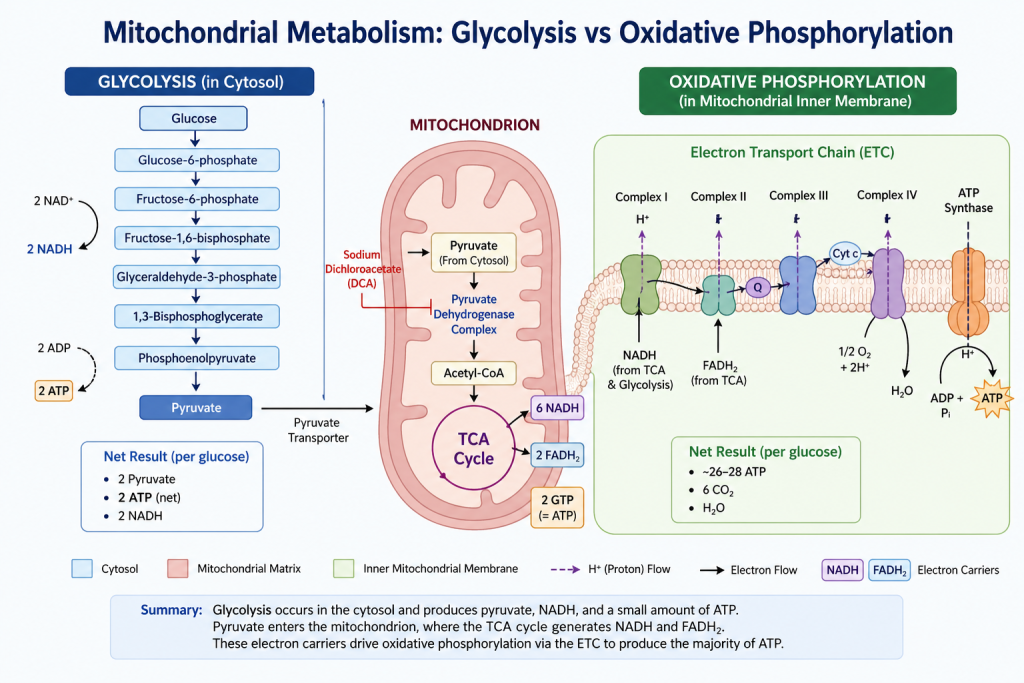 Diagram of mitochondrial metabolism
Procurement Considerations and Supplier Selection
When sourcing sodium dichloroacetate, it is essential to evaluate both material quality and supplier capability in an integrated manner.
Key considerations include:
- Purity and analytical specifications (typically ≥98%, depending on application requirements)
- Batch consistency, ensuring reproducibility across research or production cycles
- Complete technical documentation, including Certificate of Analysis (COA) and Safety Data Sheet (MSDS)
- Quality management systems and manufacturing standards
- Packaging formats and logistics capability, especially for bulk or international orders
For procurement teams, distributors, and manufacturing companies, selecting a reliable supplier helps reduce operational risk and ensures consistent material performance.
If you are evaluating sourcing options, you can review detailed specifications here:
👉 sodium dichloroacetate (CAS 2156-56-1)
 Sodium Dichloroacetate
Conclusion
Overall, sodium dichloroacetate serves as a versatile compound across several technical domains. Its primary uses include:
- Metabolic and mitochondrial research, particularly involving energy regulation and enzyme activity
- Pharmaceutical and preclinical studies, where metabolic pathways are investigated under controlled conditions
- Chemical and industrial applications, especially as an intermediate in synthesis processes
Its consistent chemical behavior and adaptability make sodium dichloroacetate a relevant compound in both research and industrial environments.
FAQ
Q1. What is sodium dichloroacetate (CAS 2156-56-1)?
Sodium dichloroacetate is a stable, water-soluble compound derived from dichloroacetic acid, commonly used in biochemical research and industrial applications.
Q2. What is sodium dichloroacetate used for?
Sodium dichloroacetate is primarily used in metabolic research, pharmaceutical studies, and as a chemical intermediate in industrial processes.
Q3. How does sodium dichloroacetate affect cellular metabolism?
Sodium dichloroacetate is known to influence enzymes such as the pyruvate dehydrogenase complex, which plays a role in regulating the flow of metabolites into mitochondrial energy pathways.
Q4. Is sodium dichloroacetate approved for medical use?
No. Sodium dichloroacetate is not approved as a general therapeutic drug and is mainly used in research and controlled applications.
Q5. What industries use sodium dichloroacetate?
It is commonly used in pharmaceutical research, academic institutions, and chemical manufacturing sectors.


