In modern cosmetic formulations, peptides play a critical role in improving skin quality and supporting anti-aging performance. Among them, Tripeptide-1 and Copper Peptide are two of the most widely used ingredients.
Understanding the differences between Tripeptide-1 (CAS 72957-37-0) and Copper Tripeptide-1 (GHK-Cu, CAS 89030-95-5) is essential for formulators and brands aiming to optimize product performance and positioning.
What is Tripeptide-1?
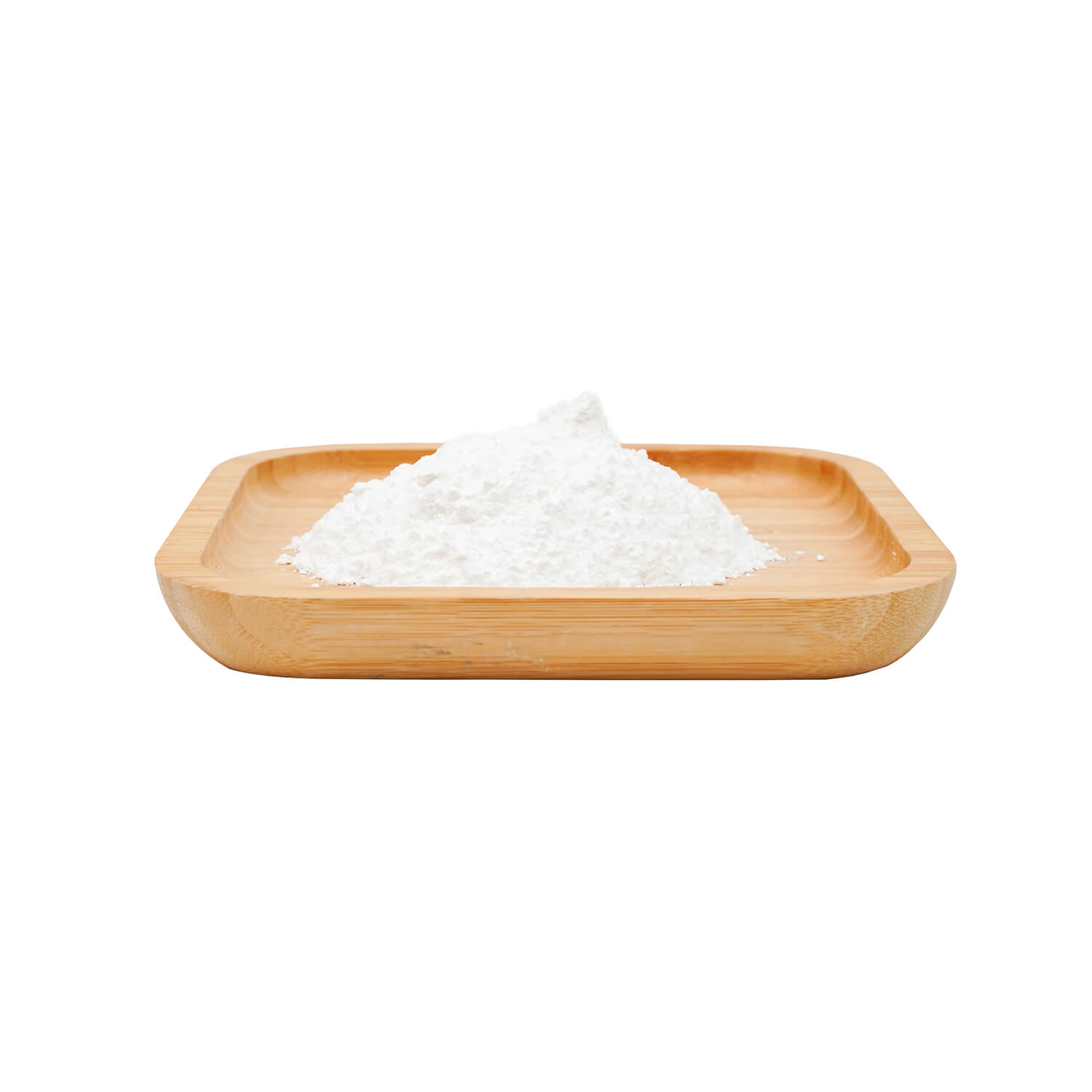
Tripeptide-1 (CAS 72957-37-0) is a signal peptide composed of glycine, histidine, and lysine. Naturally derived from collagen breakdown, Tripeptide-1 functions as a biological messenger that helps stimulate collagen production and support skin structure.
In cosmetic formulations, Tripeptide-1 is commonly used for:
- Supporting collagen synthesis
- Improving skin firmness
- Enhancing overall skin texture
Due to its stability and versatility, Tripeptide-1 is widely used in anti-aging and daily skincare formulations.
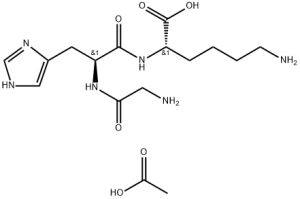 CAS 72957-37-0
What is Copper Peptide (GHK-Cu)?
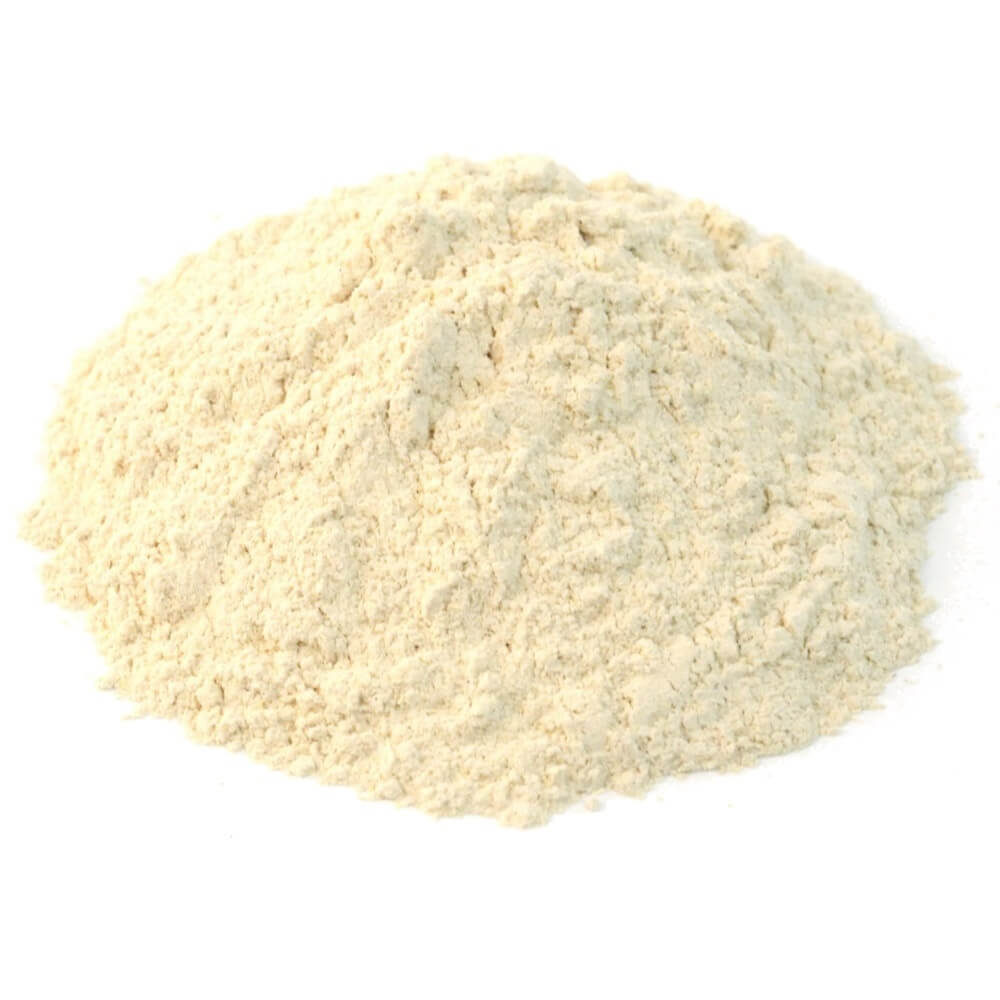
Copper Peptide refers to Copper Tripeptide-1 (GHK-Cu, CAS 89030-95-5), a complex formed when Tripeptide-1 binds with copper ions.
Compared to standard Tripeptide-1, Copper Peptide is known for its enhanced biological activity, particularly in skin repair and regeneration.
Key functions include:
- Supporting skin repair processes
- Promoting tissue remodeling
- Enhancing antioxidant activity
This makes Copper Peptide especially suitable for advanced skincare and post-treatment formulations.
 CAS 89030-95-5
Key Differences Between Tripeptide-1 and Copper Peptide
| Feature | Tripeptide-1 | Copper Peptide (GHK-Cu) |
|---|---|---|
| CAS Number | 72957-37-0 | 89030-95-5 |
| Type | Signal peptide | Metal-complex peptide |
| Primary Function | Collagen stimulation | Skin repair & regeneration |
| Stability | High | Moderate |
| Formulation Flexibility | High | Moderate |
| Cost | Lower | Higher |
Which One Should You Choose?
Choosing between Tripeptide-1 and Copper Peptide depends on your formulation goals:
Choose Tripeptide-1 when:
- Developing anti-aging products
- Targeting collagen support
- Prioritizing cost efficiency
- Designing daily skincare formulations
Choose Copper Peptide (GHK-Cu) when:
- Focusing on skin repair and recovery
- Developing post-procedure products
- Targeting high-end skincare markets
Many advanced formulations combine Tripeptide-1 with Copper Peptide to achieve both collagen support and repair performance.
Can Tripeptide-1 and Copper Peptide Be Used Together?
Yes. In fact, combining Tripeptide-1 with Copper Peptide is a common strategy in modern cosmetic formulations.
Benefits of combining:
- Synergistic effect on collagen production and repair
- Enhanced product positioning
- Broader functional claims within cosmetic compliance
Applications in Cosmetic Formulations
Both Tripeptide-1 and Copper Peptide are widely used in:
- Anti-aging serums
- Repair creams
- Eye care formulations
- Post-treatment skincare
Additionally, they are often combined with other peptides such as:
- Palmitoyl Tripeptide-1 (CAS 147732-56-7)
- Multi-peptide complexes
to further enhance formulation performance.
Conclusion
Both Tripeptide-1 (CAS 72957-37-0) and Copper Peptide (GHK-Cu, CAS 89030-95-5) are essential ingredients in modern cosmetic science. While Tripeptide-1 provides reliable collagen support and formulation flexibility, Copper Peptide delivers stronger repair-focused performance.
For formulators and brands, selecting the right peptide—or combining both—can significantly impact product efficacy and market positioning.
Request a Quote for Tripeptide-1 and Copper Peptide
At NMPHARMTECH, we supply high-quality:
- Tripeptide-1 (CAS 72957-37-0)
- Copper Tripeptide-1 (CAS 89030-95-5)
- Other cosmetic peptides
We support:
✔ Bulk supply
✔ Custom specifications
✔ Technical documentation (COA, TDS)
✔ Formulation consultation
👉 Contact us today to request samples, pricing, and technical support.
FAQ
Q1. What is the difference between Tripeptide-1 and Copper Peptide?
Tripeptide-1 (CAS 72957-37-0) is a signal peptide that primarily supports collagen production, while Copper Peptide (GHK-Cu, CAS 89030-95-5) is a copper-bound form that offers enhanced skin repair and regeneration properties. The main difference lies in their functional focus and biological activity.
Q2. Is Copper Peptide stronger than Tripeptide-1?
Copper Peptide is generally considered more active in skin repair and regeneration due to the presence of copper ions. However, Tripeptide-1 is more stable and widely used in anti-aging formulations focused on collagen support.
Q3. Can Tripeptide-1 and Copper Peptide be used together?
Yes, Tripeptide-1 and Copper Peptide can be combined in formulations. This combination allows formulators to achieve both collagen stimulation and enhanced skin repair, improving overall product performance.