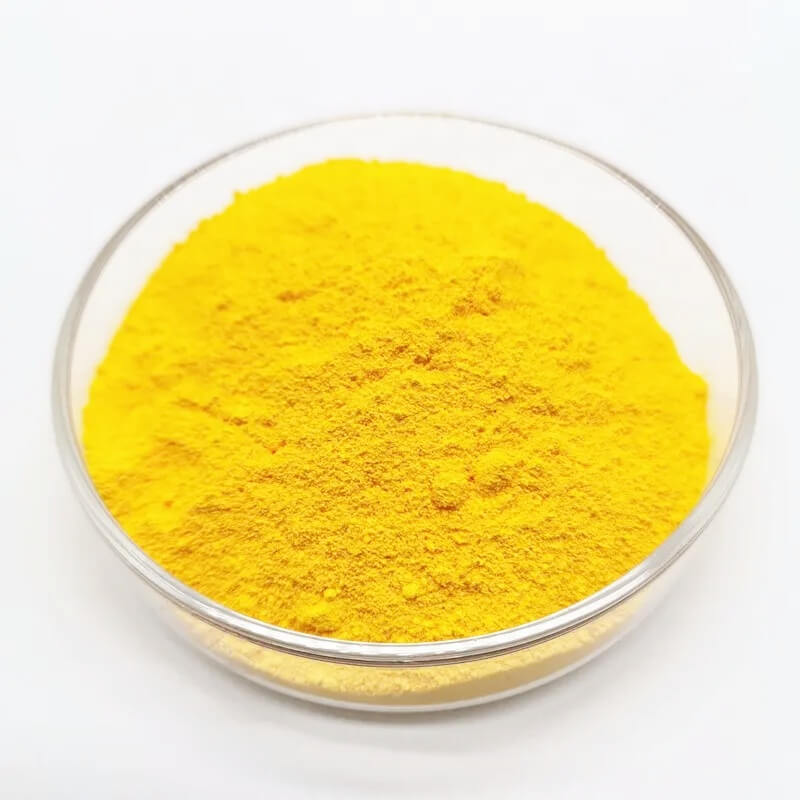
Milk thistle (Silybum marianum) has long been recognized as a valuable botanical source in the nutraceutical industry. Among the compounds derived from its seeds, Silymarin and Silybin are frequently discussed due to their importance in botanical extracts and dietary supplement formulations.
Although the two names are often used interchangeably, Silybin and Silymarin are not the same substance. They differ in composition, degree of purification, and application within ingredient development. Understanding these differences is essential for manufacturers, formulators, and industry professionals working with milk thistle-derived ingredients.

The Botanical Source: Milk Thistle
Milk thistle is a flowering plant belonging to the Asteraceae family. Its seeds contain a unique group of flavonolignans that have become the focus of extensive research and commercial interest.
Through extraction and purification processes, these naturally occurring compounds can be concentrated into standardized ingredients for nutraceutical applications. The resulting products are commonly marketed as Silymarin extracts or purified Silybin ingredients.
Because both originate from the same botanical source, confusion often arises regarding their relationship and differences.
What Is Silymarin?
Silymarin is a standardized extract obtained from milk thistle seeds. Rather than being a single compound, it consists of a complex mixture of flavonolignans and related constituents.
The primary components typically found in Silymarin include:
- Silybin A
- Silybin B
- Isosilybin A
- Isosilybin B
- Silychristin
- Silydianin
Together, these compounds form the characteristic phytochemical profile of Silymarin.
Since Silymarin contains multiple naturally occurring constituents, it is generally classified as a botanical extract rather than an isolated ingredient. The exact composition may vary depending on factors such as raw material quality, extraction technology, and standardization specifications.
What Is Silybin?
Silybin, also known as Silibinin, is the principal flavonolignan present in Silymarin.
From a compositional perspective, Silybin is not the entire extract but one specific component within it. In most standardized milk thistle extracts, Silybin represents the largest individual fraction and is often used as a key marker for quality evaluation.
Commercial Silybin products are produced through additional purification steps that isolate and concentrate this specific flavonolignan from the broader Silymarin extract.
As a result, Silybin is considered a more refined and compositionally defined ingredient compared with conventional Silymarin extracts.
Understanding the Relationship Between Silybin and Silymarin
The simplest way to understand their relationship is:
- Milk Thistle = Botanical Source
- Silymarin = Standardized Extract
- Silybin = Major Component Within Silymarin
In other words, all commercial Silybin originates from milk thistle and is obtained through the purification of Silymarin-rich extracts. However, Silymarin itself contains multiple flavonolignans beyond Silybin.
This distinction is important when discussing ingredient specifications, analytical testing, and formulation design.
Silybin vs Silymarin: Key Differences
| Characteristic | Silybin | Silymarin |
|---|---|---|
| Ingredient Type | Purified flavonolignan | Botanical extract |
| Composition | Primarily Silybin A and B | Multiple flavonolignans |
| Complexity | Single major constituent | Multi-component mixture |
| Purity Level | Higher | Lower relative to purified Silybin |
| Standardization | More specific | Broader compositional profile |
| Manufacturing Process | Extraction + purification | Extraction and standardization |
| Analytical Characterization | Compound-specific | Multi-component analysis |
Although both ingredients originate from milk thistle, they represent different levels of refinement and compositional specificity.
How Are Silymarin and Silybin Produced?
Production begins with carefully selected milk thistle seeds.
Extraction: The seeds undergo extraction to concentrate naturally occurring flavonolignans from the plant matrix.
Purification: Following extraction, purification processes remove unwanted constituents and improve consistency.
Standardization: The extract is standardized to achieve defined compositional specifications and quality parameters.
Isolation of Silybin: For purified Silybin products, additional separation technologies are employed to isolate and enrich the Silybin fraction from the broader flavonolignan complex.
These additional manufacturing steps distinguish Silybin from conventional Silymarin extracts and contribute to its higher degree of standardization.
Analytical Identification and Quality Control
Accurate characterization of botanical ingredients requires robust analytical methods.
Commonly used techniques include:
- High-Performance Liquid Chromatography (HPLC)
- Ultra-High-Performance Liquid Chromatography (UHPLC)
- Liquid Chromatography-Mass Spectrometry (LC-MS)
- UV Spectroscopy
These methods help manufacturers verify:
- Identity
- Purity
- Standardization levels
- Batch consistency
- Product specifications
Reliable analytical control plays an important role in ensuring quality and traceability throughout the manufacturing process.
Applications of Silymarin
As a standardized botanical extract, Silymarin is widely used in nutraceutical formulations.
Common applications include:
1. Dietary Supplement Products
Silymarin is frequently incorporated into capsules, tablets, and powder formulations utilizing botanical ingredients.
2. Botanical Ingredient Blends
Its complex flavonolignan profile makes it suitable for multi-ingredient plant-based formulations.
3. Functional Nutrition Products
Standardized Silymarin extracts are commonly used in products emphasizing botanical and plant-derived ingredient concepts.
Applications of Silybin
Due to its higher degree of purification and compositional specificity, Silybin is often selected for more targeted ingredient systems.
1. Standardized Nutraceutical Formulations
Silybin provides a clearly defined ingredient profile that supports formulation consistency.
2. Advanced Botanical Delivery Systems
Silybin is frequently incorporated into phospholipid complexes and phytosome-based ingredient technologies.
3. Ingredient Research and Development
Its defined composition makes Silybin a valuable ingredient for formulation studies and product development projects.
Silybin Phytosome: A Specialized Ingredient Format
One of the most recognized developments in this category is Silybin Phytosome.
This ingredient format combines purified Silybin with phospholipids, typically phosphatidylcholine, to create a specialized botanical complex.
Compared with conventional Silybin powder, phytosome-based systems represent a distinct ingredient category and are increasingly utilized in advanced nutraceutical formulations.
As formulation technologies continue to evolve, specialized delivery systems such as Silybin Phytosome are expected to remain an important area of innovation within the botanical ingredient sector.
Future Perspectives for Milk Thistle-Derived Ingredients
The nutraceutical industry continues to place increasing emphasis on ingredient characterization, quality consistency, and analytical transparency.
As a result, demand remains strong for both standardized Silymarin extracts and purified Silybin ingredients. Advances in extraction technology, purification methods, and analytical capabilities are further improving the quality and consistency of milk thistle-derived raw materials.
These developments are contributing to broader applications for both ingredients across dietary supplements, functional nutrition products, and botanical formulation systems.
Silybin and Silymarin Solutions from Natural Micron Pharm
As demand for standardized botanical ingredients continues to expand, high-quality Silybin and Silymarin remain important raw materials for nutraceutical manufacturers, dietary supplement brands, and ingredient distributors worldwide.
Natural Micron Pharm supplies bulk Silybin and botanical extract ingredients to support a wide range of formulation requirements. With a focus on quality consistency, technical documentation, and long-term supply stability, we work with global customers seeking reliable ingredient solutions for nutraceutical product development.
If you are looking for Silybin powder, Silymarin extract, or customized ingredient support, our team can provide product specifications, samples, and quotation assistance based on your project requirements.
Conclusion
Although Silybin and Silymarin originate from the same botanical source, they represent different ingredient categories.
Silymarin is a complex flavonolignan extract obtained from milk thistle seeds, while Silybin is its principal purified component. Their differences lie primarily in composition, degree of purification, and standardization.
Understanding the relationship between these ingredients provides a clearer foundation for discussing milk thistle-derived raw materials, analytical characterization, and nutraceutical formulation strategies. As interest in high-quality botanical ingredients continues to grow, both Silymarin and Silybin are expected to remain important components of the global nutraceutical market.
FAQ
Q1. Is Silybin the same as Silymarin?
No. Silymarin is a mixture of flavonolignans extracted from milk thistle, while Silybin is one of the major individual compounds present within that extract.
Q2. Is Silybin naturally found in milk thistle?
Yes. Silybin occurs naturally in milk thistle seeds and is one of the predominant flavonolignans found in Silymarin extracts.
Q3. Why is Silybin considered more refined than Silymarin?
Silybin products generally undergo additional purification and isolation processes beyond those used to produce standard Silymarin extracts.
Q4. What is the main component of Silymarin?
Silybin is typically the most abundant flavonolignan present in standardized Silymarin extracts.
Q5. What is Silybin Phytosome?
Silybin Phytosome is a specialized ingredient format in which purified Silybin is complexed with phospholipids to create a botanical delivery system.