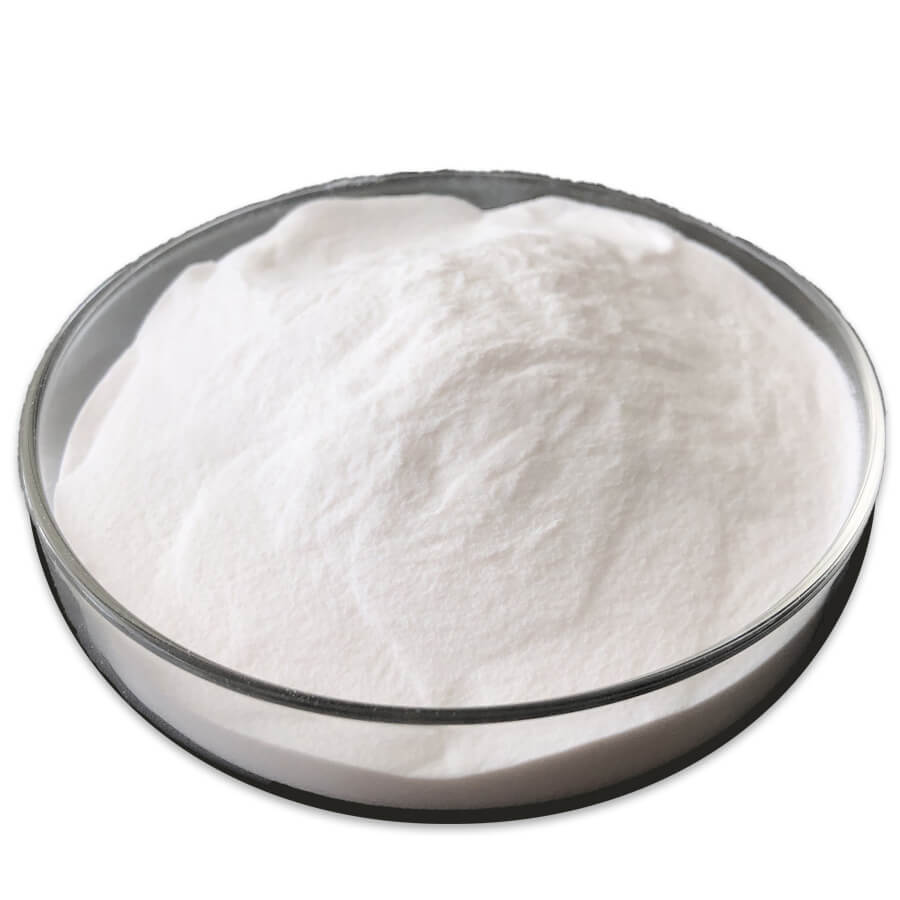
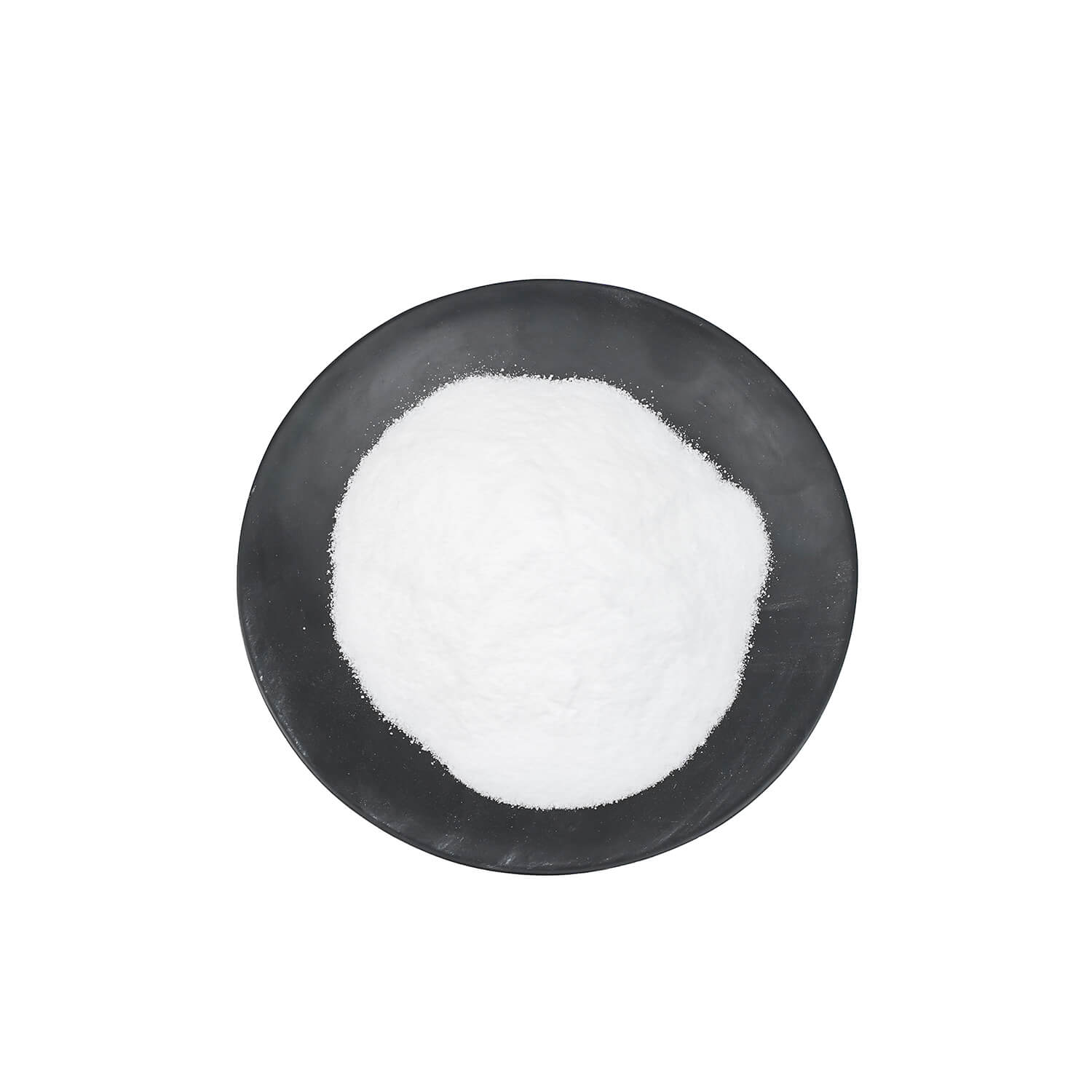
Rebaudioside M (CAS 1220616-44-3) is a steviol glycoside derived from the Stevia rebaudiana plant and widely recognized as a next-generation natural sweetener. As demand for healthier sugar alternatives continues to grow, the Rebaudioside M sweetener has gained increasing attention for its clean taste profile, high sweetness potency, and compatibility with modern food and beverage formulations. Compared with traditional stevia extracts, Rebaudioside M provides a smoother sweetness with reduced bitterness, making it an important ingredient in advanced stevia sweetener systems.
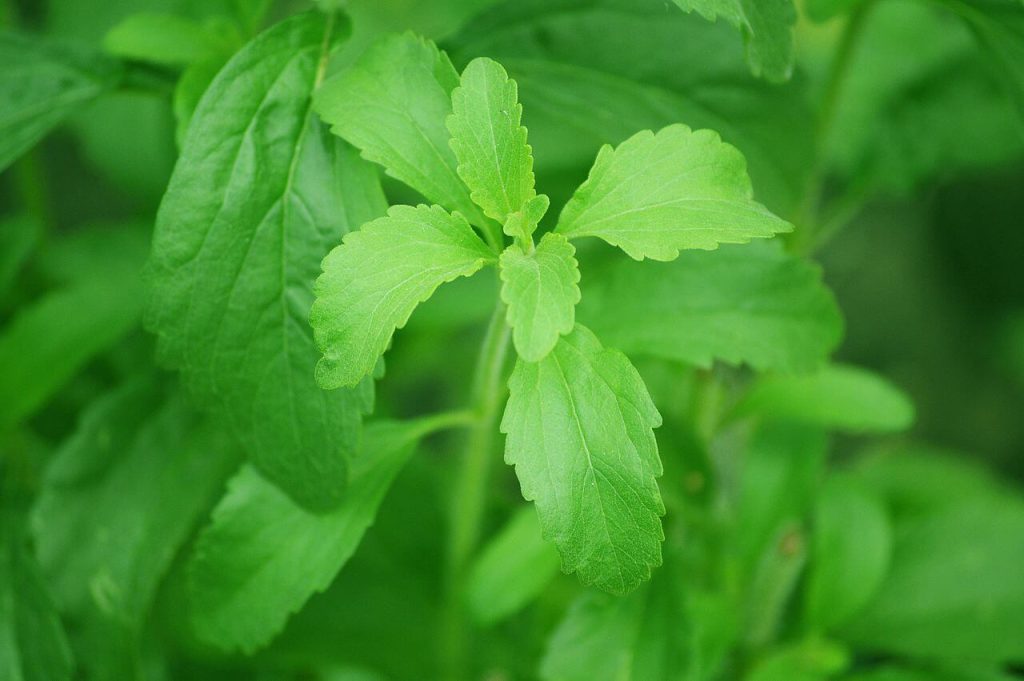
Because of these advantages, Rebaudioside M natural sweetener solutions are increasingly explored by food scientists and product developers seeking improved sugar-reduction strategies.
What is Rebaudioside M?
Rebaudioside M belongs to the family of compounds known as steviol glycosides, which are responsible for the natural sweetness found in the stevia plant. These compounds are extracted from the leaves of Stevia rebaudiana and purified to obtain specific sweetening ingredients.
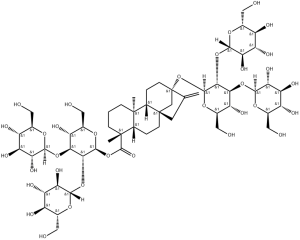
Although Rebaudioside M stevia extract occurs naturally in the plant, its concentration is relatively low. As a result, specialized extraction and purification technologies are required to produce high purity Rebaudioside M suitable for ingredient applications.
One of the reasons Rebaudioside M has gained scientific and industrial interest is its improved sensory characteristics. Compared with many traditional stevia extracts, Rebaudioside M is known for delivering a more balanced sweetness and reduced aftertaste.
Key Properties of Rebaudioside M
Several functional characteristics distinguish Rebaudioside M within the stevia ingredient category.
1. High Sweetness Potency
Rebaudioside M is significantly sweeter than sucrose. Because of this high sweetness intensity, only small quantities are required to achieve the desired sweetness in food formulations.
2. Improved Taste Profile
The Rebaudioside M taste profile is widely regarded as cleaner and more sugar-like compared with earlier steviol glycosides. Reduced bitterness makes Rebaudioside M suitable for products where flavor balance is critical.
3. Stability in Food Systems
Rebaudioside M demonstrates good stability under different pH levels and processing conditions. This stability supports the use of Rebaudioside M sweetener in a wide range of food and beverage applications.
Applications of Rebaudioside M
Because of its sweetness intensity and sensory advantages, Rebaudioside M food applications are expanding across multiple sectors of the food industry.
1. Beverage Formulations
Many beverage manufacturers use Rebaudioside M sweetener in low-sugar drinks such as soft drinks, flavored water, and ready-to-drink beverages. The clean sweetness of Rebaudioside M helps maintain taste quality while reducing sugar levels.
2. Functional and Nutritional Foods
In modern food development, Rebaudioside M natural sweetener solutions are used in products such as dairy alternatives, protein beverages, and nutritional formulations.
3. Sugar-Reduction Systems
Food developers often combine Rebaudioside M sugar alternative ingredients with other sweeteners to create balanced sweetness profiles that support sugar reduction without compromising taste.

Rebaudioside M vs Rebaudioside A
Within the stevia ingredient category, Rebaudioside A(Cas 58543-16-1) is one of the most widely used steviol glycosides. It has long been utilized as a natural sweetener in commercial stevia products.
However, comparisons of Rebaudioside M vs Rebaudioside A often highlight the improved sensory performance of Rebaudioside M. While Rebaudioside A provides strong sweetness and cost efficiency, Rebaudioside M is frequently valued for its smoother taste profile and reduced bitterness.
For this reason, some formulations combine Rebaudioside M and Rebaudioside A to optimize both taste and formulation efficiency.
Rebaudioside M vs Stevia
When comparing Rebaudioside M vs Stevia, it is important to understand that stevia is the broader sweetener category, while Rebaudioside M, also known as Reb M, is one specific steviol glycoside naturally found in the Stevia rebaudiana plant. Conventional stevia extracts usually contain a mixture of sweet compounds, such as Rebaudioside A and stevioside, which can sometimes bring a slight bitter or licorice-like aftertaste depending on the formulation. Rebaudioside M is valued because it delivers a cleaner, smoother, and more sugar-like sweetness profile, making it especially suitable for premium beverages, functional foods, and reduced-sugar products. In practical formulation work, the choice is not simply Rebaudioside M or stevia, but whether a general stevia extract is sufficient or a high-purity Reb M ingredient is needed for better taste performance and product consistency.
Market Trends for Rebaudioside M
The global food industry is undergoing a transition toward healthier ingredients and reduced sugar consumption. As consumers become more aware of dietary sugar intake, manufacturers are exploring natural sweeteners that provide improved flavor performance.
In this context, Rebaudioside M has emerged as a key stevia-derived ingredient. The demand for Rebaudioside M natural sweetener products continues to grow as companies develop new beverage formulations and reduced-calorie foods.
Advances in extraction and fermentation technologies are also improving the availability of Rebaudioside M, which is expected to support wider adoption across the food and beverage industry.
Why Partner with Natural Micron PharmTech
Consistent ingredient quality is essential when working with stevia-derived sweeteners. High-purity Rebaudioside M helps ensure predictable sweetness performance and stable formulation outcomes.
Natural Micron PharmTech provides high purity Rebaudioside M produced under controlled manufacturing standards. Our ingredient supply focuses on maintaining reliable specifications and consistent product quality for international customers.
FAQ
Q1. Is Rebaudioside M sweeter than sugar?
Yes. Rebaudioside M is significantly sweeter than sucrose, meaning small amounts can provide strong sweetness in product formulations.
Q2. How does Rebaudioside M differ from Rebaudioside A?
Both compounds are steviol glycosides extracted from stevia leaves. However, Rebaudioside M generally provides a cleaner sweetness and reduced bitterness compared with Rebaudioside A.
Q3. Is Rebaudioside M a natural sweetener?
Yes. Rebaudioside M originates from the Stevia rebaudiana plant and is produced through extraction and purification processes.
Q4. Where is Rebaudioside M used?
Rebaudioside M is widely used in beverages, functional foods, and reduced-sugar formulations due to its balanced sweetness profile.