As cosmetic formulations continue to evolve toward lighter textures, improved sensory performance, and silicone-alternative systems, formulators are increasingly selecting high-performance hydrocarbon emollients to achieve superior product aesthetics. Among these ingredients, Isohexadecane (CAS 93685-80-4) and Isododecane (31807-55-3) have become two of the most widely used materials in modern personal care formulations.
Although their names are similar, these two ingredients exhibit distinct physicochemical properties that significantly influence product performance. Their differences in volatility, molecular structure, evaporation rate, skin feel, pigment dispersion, and formulation compatibility make each ingredient suitable for different cosmetic applications.
Understanding the differences between Isohexadecane and Isododecane is essential for cosmetic manufacturers developing innovative skincare, makeup, sunscreen, hair care, and dermatological products. Selecting the appropriate ingredient not only affects product texture but also impacts stability, sensory experience, transfer resistance, and overall formulation performance.
This article provides a comprehensive technical comparison of Isohexadecane and Isododecane, explaining how each ingredient functions within cosmetic formulations and why Isohexadecane has become an increasingly popular lightweight emollient for premium skincare and personal care products.
What Is Isohexadecane?
Isohexadecane (CAS 93685-80-4) is a highly branched synthetic hydrocarbon belonging to the isoparaffin family. It is a colorless, odorless, lightweight liquid widely used in cosmetic and personal care formulations as an emollient, solvent, texture enhancer, and carrier fluid.
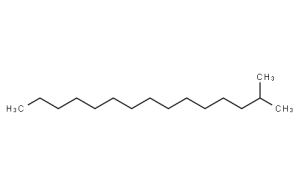 Isohexadecane CAS 93685-80-4
Unlike conventional mineral oils, Isohexadecane offers a significantly lighter sensory profile while maintaining excellent spreading characteristics. Its branched molecular structure enables it to glide smoothly across the skin without leaving a heavy or greasy residue, making it particularly suitable for premium skincare formulations designed to deliver a silky and elegant finish.
One of the major advantages of Isohexadecane is its outstanding compatibility with a broad range of cosmetic ingredients, including botanical oils, esters, silicones, pigments, UV filters, waxes, and active ingredients. This versatility allows formulators to create stable emulsions and innovative textures while improving the sensory characteristics of the final product.
Because Isohexadecane exhibits low surface tension and excellent spreadability, it is frequently incorporated into formulations requiring uniform application, enhanced pigment dispersion, and improved consumer experience.
Its balanced combination of stability, lightweight feel, and formulation flexibility has established Isohexadecane as one of the preferred hydrocarbon emollients in modern cosmetic science.
What Is Isododecane?
Isododecane(Cas 31807-55-3) is another branched hydrocarbon solvent widely used throughout the cosmetics industry. Compared with Isohexadecane, it possesses a lower molecular weight and significantly higher volatility.
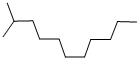 Isododecane Cas 31807-55-3
The rapid evaporation characteristics of Isododecane allow cosmetic products to dry quickly after application, making it especially valuable in long-wear makeup, transfer-resistant lipsticks, waterproof mascaras, eyeliners, and other high-performance color cosmetics.
Rather than functioning primarily as a long-lasting emollient, Isododecane acts as a volatile carrier that temporarily transports pigments and film-forming polymers before evaporating from the skin surface. This evaporation contributes to faster setting times and enhanced wear resistance.
However, because Isododecane evaporates relatively quickly, it generally provides less lasting emolliency than Isohexadecane. For products requiring prolonged moisturization, a soft after-feel, or enhanced skin conditioning, formulators often select Isohexadecane instead.
Consequently, although both ingredients belong to the hydrocarbon family, they fulfill different formulation objectives and should not be regarded as interchangeable materials.
Isohexadecane vs Isododecane: Technical Comparison
The following comparison summarizes the major formulation differences between these two cosmetic ingredients.
| Property | Isohexadecane | Isododecane |
|---|---|---|
| CAS Number | 93685-80-4 | 31807-55-3 |
| Chemical Type | Branched Hydrocarbon | Branched Hydrocarbon |
| Molecular Weight | Higher | Lower |
| Volatility | Low | High |
| Evaporation Rate | Slow | Very Fast |
| Skin Feel | Silky, Smooth | Dry, Lightweight |
| Residual Emolliency | Excellent | Minimal |
| Pigment Dispersion | Excellent | Excellent |
| Spreadability | Outstanding | Very Good |
| Long-Term Skin Feel | Superior | Limited |
| Best Applications | Skincare, Creams, Serums | Long-Wear Makeup |
| Stability | Excellent | Excellent |
From a formulation perspective, Isohexadecane offers greater flexibility for products emphasizing comfort, moisturization, and premium sensory performance, while Isododecane excels in formulations requiring rapid evaporation and transfer resistance.
Why Formulators Choose Isohexadecane
1. Exceptional Sensory Performance
One of the primary reasons cosmetic chemists choose Isohexadecane is its luxurious skin feel.
Unlike heavier hydrocarbons or conventional mineral oils, Isohexadecane spreads rapidly across the skin, forming a smooth and uniform film without leaving excessive residue. Consumers perceive products containing Isohexadecane as lightweight, silky, and non-greasy, characteristics that align well with current global skincare trends.
These sensory advantages make Isohexadecane particularly valuable in premium facial skincare products where texture plays a critical role in consumer satisfaction.
2. Excellent Pigment Dispersion
Pigment stability directly affects the appearance, consistency, and performance of decorative cosmetics.
Isohexadecane effectively wets pigments and fillers, promoting uniform dispersion throughout formulations. Better pigment distribution results in smoother application, improved color consistency, and enhanced product stability.
For this reason, Isohexadecane is frequently incorporated into liquid foundations, concealers, BB creams, and other complexion products requiring consistent pigment performance.
3. Superior Compatibility with Cosmetic Ingredients
Another significant advantage of Isohexadecane is its compatibility with a wide variety of formulation components.
It performs well alongside:
- Silicone fluids
- Plant-derived oils
- Synthetic esters
- UV filters
- Emulsifiers
- Film-forming polymers
- Active ingredients
- Pigments
- Waxes
This compatibility simplifies formulation development while helping manufacturers achieve stable and aesthetically pleasing cosmetic products.
4. A Valuable Silicone Alternative
As consumer demand for silicone-free beauty products continues to grow, formulators are increasingly exploring alternative ingredients capable of delivering similar sensory benefits.
Isohexadecane provides excellent slip, improved spreadability, and a lightweight finish without relying solely on volatile silicones. Although it does not completely replace silicone functionality, it serves as an effective complementary ingredient in many silicone-reduced or silicone-free formulations.
Applications of Isohexadecane in Cosmetics
The multifunctional nature of Isohexadecane allows it to be incorporated into a broad range of cosmetic and personal care products.
1. Skincare Products
In skincare formulations, Isohexadecane functions primarily as a lightweight emollient that improves product aesthetics without increasing greasiness.
Its smooth sensory profile enhances the overall user experience while supporting elegant formulation textures.
2. Makeup Products
Decorative cosmetics rely heavily on Isohexadecane for its spreading performance and pigment compatibility.
By improving pigment dispersion and application consistency, Isohexadecane contributes to a refined finish and comfortable wear.
3. Sunscreen Formulations
Modern sunscreen products require lightweight textures to encourage regular consumer use.
Isohexadecane helps dissolve certain UV filters while improving spreadability and reducing the heavy skin feel often associated with high-SPF formulations.
Its excellent compatibility with organic UV filters and film-forming ingredients makes it valuable in premium sunscreen development.
4. Hair Care Products
Hair care formulations also benefit from the lightweight conditioning properties of Isohexadecane.
It imparts shine and smoothness without weighing the hair down.
5. Dermatological and Professional Skincare
Professional skincare brands frequently incorporate Isohexadecane into specialized formulations requiring excellent skin tolerance and elegant aesthetics.
Why Choose Natural Micron Pharm
Natural Micron Pharm Tech is a trusted global supplier of high-quality cosmetic raw materials, serving manufacturers, brand owners, and formulation laboratories worldwide. We provide Isohexadecane (CAS 93685-80-4) with reliable quality, consistent supply, and comprehensive technical documentation to support a wide range of cosmetic and personal care applications.
Whether you are developing innovative skincare products, high-performance makeup, sun care formulations, or customized personal care solutions, our experienced team is ready to assist with ingredient selection and formulation support.
Contact us today to request a quotation, technical documentation, or a sample, and discover how our premium Isohexadecane can enhance your next cosmetic formulation.
Conclusion
Although Isohexadecane and Isododecane share similarities as branched hydrocarbon ingredients, their formulation characteristics differ significantly. Isododecane is primarily valued for its rapid evaporation and transfer-resistant performance in color cosmetics, whereas Isohexadecane offers a more balanced combination of lightweight emolliency, excellent spreadability, superior sensory properties, and broad formulation compatibility.
As cosmetic innovation continues to focus on premium textures, multifunctional ingredients, and consumer-friendly sensory experiences, Isohexadecane has become an indispensable component in the development of modern skincare, makeup, sunscreen, and personal care formulations.
For formulators seeking greater flexibility and enhanced product aesthetics, Isohexadecane (CAS 93685-80-4) remains one of the most versatile hydrocarbon emollients available today.
FAQ
Q1. Is Isohexadecane the same as Isododecane?
No. Although both are branched hydrocarbon ingredients, Isohexadecane has a higher molecular weight, lower volatility, and provides longer-lasting emolliency, while Isododecane evaporates much faster and is primarily used in long-wear color cosmetics.
Q2. Is Isohexadecane suitable for skincare products?
Yes. Isohexadecane is widely used in moisturizers, facial serums, cleansing oils, anti-aging creams, and sunscreens because it provides a lightweight, silky skin feel without excessive greasiness.
Q3. Is Isohexadecane a silicone?
No. Isohexadecane is a branched hydrocarbon rather than a silicone. However, it is often used to enhance slip and spreadability and can complement or partially replace silicones in certain formulations.
Q4. Why do cosmetic formulators choose Isohexadecane?
Formulators select Isohexadecane for its excellent spreadability, elegant sensory profile, pigment dispersion capability, formulation compatibility, and ability to improve overall product aesthetics.
Q5. Does Isohexadecane evaporate?
Yes, but more slowly than Isododecane. This slower evaporation helps maintain a soft, comfortable skin feel after application.
Q6. Can Isohexadecane improve makeup performance?
Yes. Isohexadecane contributes to smoother pigment dispersion, improved application, enhanced texture, and greater formulation stability in many makeup products.
Q7. Is Isohexadecane compatible with active ingredients?
Yes. It demonstrates excellent compatibility with numerous cosmetic ingredients, including botanical extracts, peptides, vitamins, UV filters, esters, and pigments.