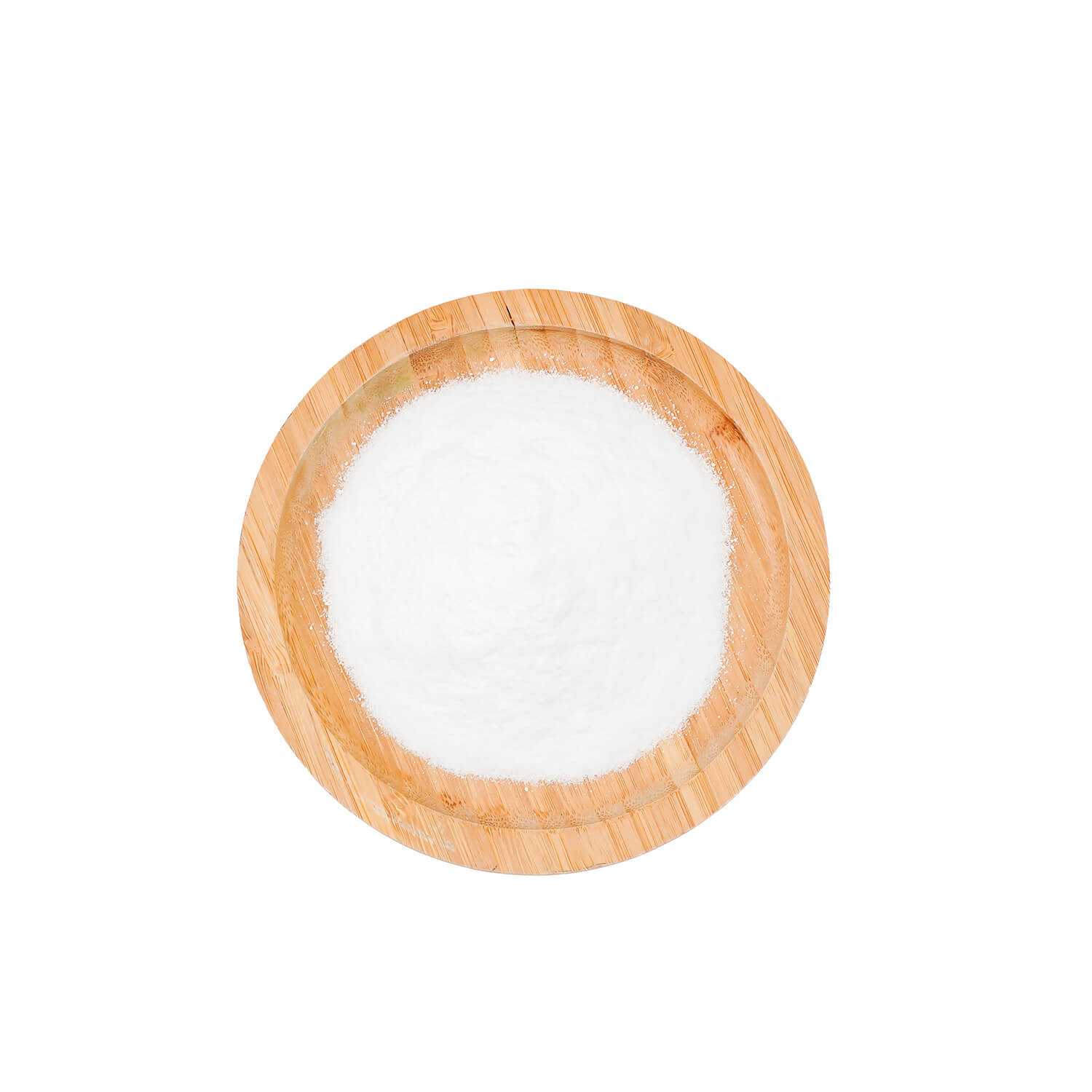
In modern fragrance creation, understanding ambroxane uses in perfumery is essential for both formulators and ingredient buyers. As one of the most widely used amber aroma molecules, Ambroxane (CAS 6790-58-5) plays a critical role in enhancing fragrance longevity, diffusion, and overall composition balance.
With the decline of natural ambergris availability, the importance of ambroxane uses in perfumery has significantly increased, making it a key component in both niche and mass-market fragrances.

What Is Ambroxane in Perfumery?
Before exploring ambroxane uses in perfumery, it is important to understand its role as a fragrance molecule. Ambroxane (CAS 6790-58-5) is a semi-synthetic compound derived from sclareol, known for its warm, woody, and musky amber scent.
In perfumery, Ambroxane is classified primarily as a base note ingredient, valued for its persistence and ability to anchor volatile components.
Key Ambroxane Uses in Perfumery
1. Base Note Construction
One of the primary ambroxane uses in perfumery is as a base note. It provides a long-lasting amber foundation that supports the overall fragrance structure.
- Enhances depth and warmth
- Creates a smooth dry-down phase
- Blends well with woody and oriental accords
2. Fragrance Fixative
Another important aspect of ambroxane uses in perfumery is its function as a fixative.
- Slows evaporation of top and middle notes
- Extends fragrance longevity on skin and fabric
- Reduces the need for multiple stabilizing agents
This makes Ambroxane highly efficient in formulation design.
3. Diffusion and Sillage Enhancement
Among advanced ambroxane uses in perfumery, improving diffusion is particularly valuable.
- Enhances scent projection (sillage)
- Maintains presence without increasing dosage
- Supports balanced fragrance release over time
4. Ambergris Replacement
Historically, ambergris was a key ingredient in perfumery. Today, one of the most significant ambroxane uses in perfumery is as a sustainable substitute.
- Replicates the ambergris scent profile
- Eliminates ethical and supply concerns
- Ensures batch-to-batch consistency
5. Minimalist and Signature Fragrances
A growing trend influencing ambroxane uses in perfumery is minimalist fragrance design.
- Used as a dominant or standalone note
- Creates clean, skin-like scent effects
- Popular in modern niche perfumery
Benefits of Using Ambroxane in Perfume Formulation
Understanding the advantages behind ambroxane uses in perfumery helps explain its widespread adoption:
- High stability under heat and oxidation
- Low volatility for extended wear
- Excellent compatibility with other aroma chemicals
- Consistent quality compared to natural materials
These characteristics make Ambroxane a reliable choice for both experimental and commercial fragrance development.
Formulation Considerations
When applying ambroxane uses in perfumery, formulators typically consider:
- Dosage levels: Often used in low to moderate concentrations
- Blending partners: Works well with musks, woods, and florals
- Solubility: Easily soluble in ethanol-based systems
Proper formulation ensures that Ambroxane enhances rather than dominates the fragrance profile.
Sourcing Ambroxane for Perfumery Applications
Given the expanding demand for ambroxane uses in perfumery, consistent supply and quality are critical. High-purity Ambroxane ensures predictable performance across formulations.
Our company provides Ambroxane with stable quality specifications and reliable supply to support fragrance manufacturers and product developers.
For technical details or sample requests, further information is available upon inquiry.
Conclusion
The growing importance of ambroxane uses in perfumery reflects broader industry trends toward sustainability, performance, and consistency. From base note construction to fixative functionality, Ambroxane remains a versatile and essential ingredient in modern fragrance design.
FAQ
Q1. What are the main uses of ambroxane in perfumery?
The main ambroxane uses in perfumery include serving as a base note, fixative, and diffusion enhancer.
Q2. Why is ambroxane used instead of ambergris?
Ambroxane (CAS 6790-58-5) provides a similar scent while offering better sustainability and consistent supply.
Q3. Can ambroxane be used alone in perfumes?
Yes, one of the modern ambroxane uses in perfumery is as a standalone note in minimalist fragrances.
Q4. Is ambroxane suitable for all fragrance types?
Ambroxane is highly versatile and can be used in woody, oriental, floral, and fresh compositions.
Q5. Does ambroxane improve fragrance longevity?
Yes, enhancing longevity is one of the most important ambroxane uses in perfumery.