Tannins are naturally occurring polyphenolic compounds found in tea leaves, fruits, and various plant materials. They contribute to the characteristic astringency of many beverages, but their interactions with proteins, caffeine, and other polyphenols can also create processing challenges. In tea and other plant-based beverages, these interactions may contribute to turbidity, sediment formation, and changes in product appearance during storage.
Tannase is an enzyme used in food processing to hydrolyze specific bonds in tannin compounds. By modifying tannin structures, it can help reduce astringency and address certain clarification challenges in tea beverages, fruit juices, and other food applications.
What Is Tannase?
Tannase, CAS No. 9025-71-2, also known as tannin acyl hydrolase, is an enzyme that catalyzes the hydrolysis of ester and depside bonds in hydrolyzable tannins. These bonds connect gallic acid-related groups within tannin structures.
Through enzymatic hydrolysis, Tannase can break down gallotannins into smaller compounds, including gallic acid and glucose. It can also act on esterified catechins present in tea materials, changing the composition of tea polyphenols.
This activity makes Tannase relevant to food and beverage processes in which tannin content, astringency, and the formation of insoluble complexes need to be controlled.
How Does Tannase Work?
The main function of Tannase is to hydrolyze ester and depside bonds in tannin molecules.
Hydrolyzable tannins, particularly gallotannins, contain gallic acid groups linked through ester bonds. Tannase acts on these bonds and gradually converts larger tannin structures into smaller products.
The general reaction can be described as:
Hydrolyzable tannins → Intermediate hydrolysis products → Gallic acid and glucose
In tea processing, Tannase can also hydrolyze esterified catechins. This changes the composition of tea polyphenols and can influence their interactions with caffeine and other tea components.
These reactions are relevant to two common processing objectives:
- Reducing tannin-related astringency: Hydrolysis changes the structure of tannin compounds that contribute to the astringent characteristics of tea and other plant-based beverages.
- Improving beverage clarity: Modifying tannin and catechin compounds can help reduce the formation of certain insoluble complexes associated with turbidity and tea cream.
The actual processing result depends on the raw material, tannin composition, enzyme activity, reaction conditions, and subsequent processing steps.
Industrial Applications of Tannase
1. Tea Beverage Processing
Tea beverage production is one of the main application areas for Tannase.
During tea extraction, polyphenols and other soluble compounds are released into the liquid phase. When the tea liquor cools, certain tea components can interact and form tea cream, which may appear as suspended particles, flocs, or sediment. This phenomenon can affect the visual clarity and stability of ready-to-drink tea products.
Tannase is used to modify tannin-related compounds and esterified catechins in tea extracts. By hydrolyzing these compounds, it can help reduce the formation of insoluble complexes and improve the clarity of the processed tea liquor.
Potential processing benefits include:
- Reducing tea cream formation and cold-induced turbidity.
- Improving the clarity of tea extracts and finished beverages.
- Modifying tannin-related astringency.
- Supporting the production of clearer ready-to-drink tea products.
The extent of clarification depends on tea variety, extraction conditions, polyphenol composition, and the selected enzyme treatment process.
2. Instant Tea Production
Instant tea manufacturing requires the extraction and concentration of soluble tea components. However, some tea polyphenols may form complexes during concentration, cooling, or storage, affecting the appearance and soluble-solids recovery of the product.
Tannase treatment can modify esterified catechins and hydrolyzable tannins in tea extracts. This may help reduce tea cream-related precipitation and improve the processing characteristics of tea concentrates.
Tannase can be considered in process development where the following issues are observed:
- Turbidity after cooling or reconstitution.
- Tea cream formation during extract concentration.
- Precipitation during product storage.
- Excessive astringency in the final tea extract.
The appropriate enzyme dosage and reaction time should be established through trials using the actual tea extract and production conditions.
3. Fruit Juice Processing
Tannins and other phenolic compounds are present in many fruits and plant-derived raw materials. Depending on their composition and concentration, these compounds may contribute to astringency and interact with proteins or other juice components.
Tannase can hydrolyze susceptible tannin structures, including ester and depside bonds in hydrolyzable tannins. This provides a potential enzymatic approach for modifying tannin-related characteristics during fruit juice processing.
Relevant processing objectives include:
- Modifying tannin-related astringency.
- Supporting the treatment of tannin-containing juice materials.
- Helping manage certain phenolic compounds associated with processing and product appearance.
Tannase does not replace every clarification treatment used in juice manufacturing. Its suitability should be evaluated according to the fruit variety, phenolic profile, and the specific clarification or sensory objective.
4. Beer Processing and Clarification
Tannin and other polyphenolic compounds can interact with proteins in beer and brewing materials. These interactions may contribute to haze formation and influence the clarity of the finished beverage.
Tannase can be used in selected brewing processes to hydrolyze susceptible tannin compounds and modify their interactions with other components.
Potential application objectives include:
- Supporting tannin-related haze management.
- Modifying polyphenol composition.
- Assisting clarification processes in selected beer formulations.
The enzyme treatment should be assessed alongside the brewery’s existing filtration, stabilization, and clarification procedures. Its effectiveness depends on the composition of the brewing materials and the processing conditions.
5. Gallic Acid Production and Tannin Hydrolysis
Gallic acid is a hydrolysis product of certain gallotannins. Tannase catalyzes the breakdown of ester bonds in hydrolyzable tannins, releasing gallic acid and glucose through a series of reactions.
This enzymatic property makes Tannase relevant to processes involving the conversion of tannin-containing raw materials into gallic acid.
Tannase can serve as an enzymatic processing component, while the overall production yield depends on the complete reaction and recovery process.
Tannase Activity and Processing Conditions
Enzyme performance is influenced by several process variables. For industrial applications, pH, temperature, substrate concentration, reaction time, and enzyme dosage should be evaluated together rather than treated as independent factors.
The following values are provided in the product technical information for this Tannase:
| Parameter | Reference Information |
|---|---|
| Enzyme activity | 250U/g- 500 U/g |
| Effective pH range | 3.0–8.0 |
| Recommended pH range | 4.0–6.0 |
| Reaction temperature range | 35–60°C |
| Heat stability | Reported stable below 70–80°C |
These are reference conditions from natural micron product documentation, not universal operating conditions for every food-processing application.
The activity unit is defined using propyl gallate (PG) as the substrate: at 30°C and pH 5.0, one unit of Tannase activity is the amount of enzyme that releases 1 μmol of gallic acid per minute from the PG solution.
Because enzyme activity measurements depend on the assay method, activity values from different suppliers should not be compared directly unless their substrate, temperature, pH, and analytical methods are equivalent.
Factors Affecting Enzyme Performance
pH: The reaction pH influences enzyme activity and substrate behavior. The product documentation identifies pH 4.0–6.0 as the recommended range. Actual conditions should be confirmed through application testing.
Temperature: Reaction temperature affects the rate of enzymatic hydrolysis. The documented reaction temperature range is 35–60°C. Excessive heat exposure may reduce enzyme activity.
Substrate concentration: Different tea extracts, fruit materials, and tannin-containing substrates have different compositions. Enzyme dosage should be adjusted according to substrate characteristics and processing objectives.
Reaction time: The required treatment time depends on enzyme dosage, substrate concentration, temperature, pH, and the desired degree of hydrolysis. It should be determined through process trials.
Metal ions and oxidizing agents: The product documentation identifies certain heavy metal ions and oxidizing agents as factors that may inhibit or damage enzyme activity. Raw material composition and processing additives should therefore be considered during process development.
Tannase Product Specifications for Industrial Buyers
For manufacturers evaluating Tannase as a processing enzyme, enzyme activity and the test method used to determine that activity are important technical considerations.
Natural Micron‘s Tannase product is specified at 250U/g- 500 U/g. The following information summarizes the product details available for this grade:
| Item | Product Information |
|---|---|
| Product | Tannase |
| CAS Number | 9025-71-2 |
| Activity | 250U/g- 500 U/g |
| Enzyme Type | Tannin acyl hydrolase |
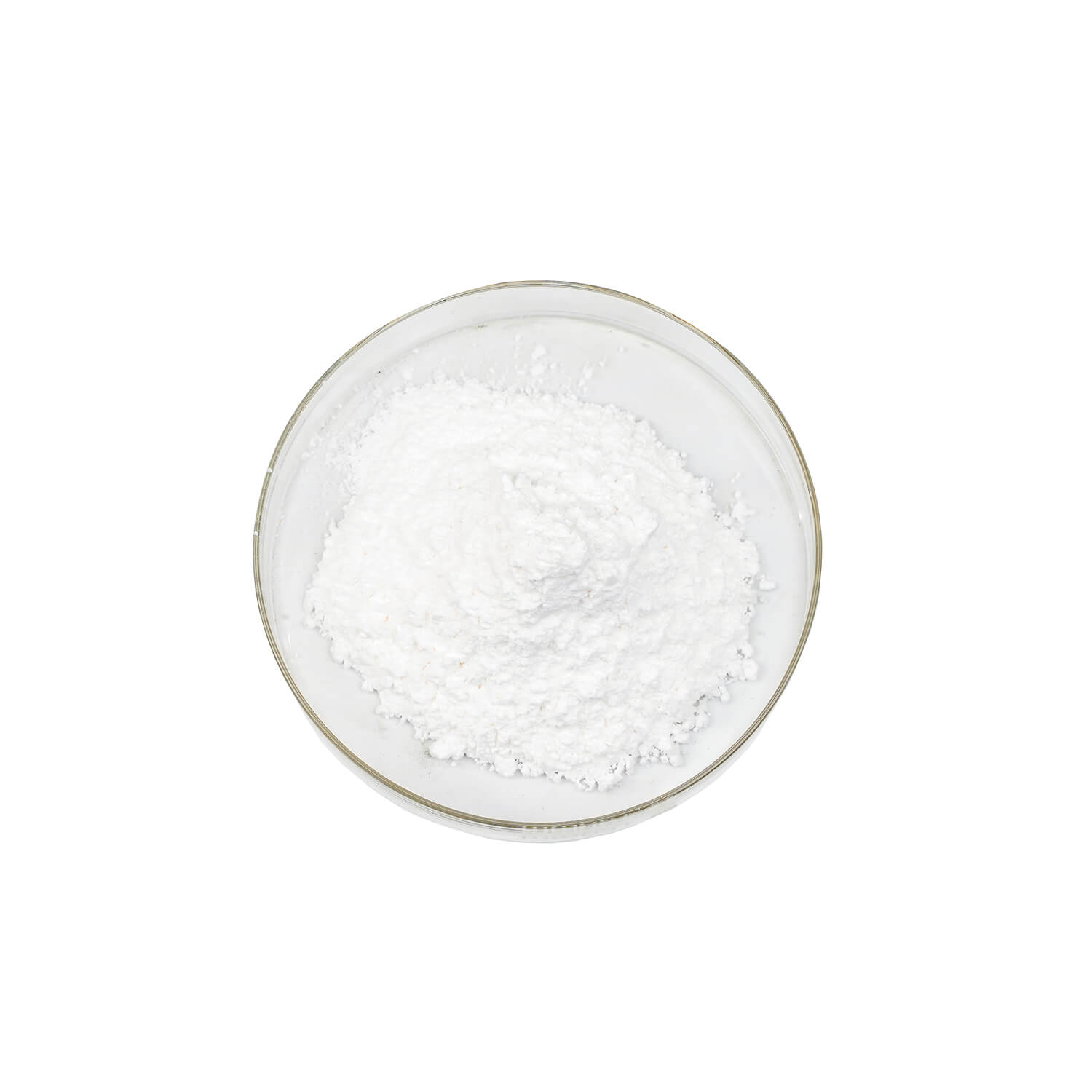
| Appearance | Powder |
| Activity Assay Substrate | Propyl gallate (PG) |
Tannase Supply for Food and Beverage Manufacturers
Natural Micron supplies Tannase with a specified activity of 250U/g- 500 U/g for customers involved in food ingredient sourcing, tea processing, beverage manufacturing, and enzyme application development.
For technical evaluation and procurement, buyers can contact our team to request product specifications, batch-related quality documentation, and application information.
Contact Natural Micron to discuss your Tannase 250U/g- 500 U/g requirements, request a quotation, or obtain technical documentation for your application.
FAQ
1. How does Tannase reduce tea turbidity?
Tannase hydrolyzes tannin-related compounds and esterified catechins in tea extracts. This modifies their molecular structures and interactions with other tea components, helping reduce the formation of insoluble complexes associated with tea cream and turbidity.
2. Can Tannase reduce bitterness and astringency in tea?
Tannase can modify tannin and catechin structures that contribute to the astringent characteristics of tea. The resulting sensory changes depend on tea composition, enzyme dosage, and reaction conditions. It should not be assumed to eliminate all bitterness or astringency.
3. How is Tannase activity measured?
For this product, the activity definition uses propyl gallate (PG) as the substrate. At 30°C and pH 5.0, one unit is defined as the amount of enzyme that releases 1 μmol of gallic acid per minute from the PG solution.
4. Can Tannase be used for gallic acid production?
Yes. Tannase hydrolyzes ester bonds in hydrolyzable tannins, releasing gallic acid and glucose through the reaction process. Its suitability for a specific production process depends on the tannin substrate, conversion conditions, and downstream recovery requirements.