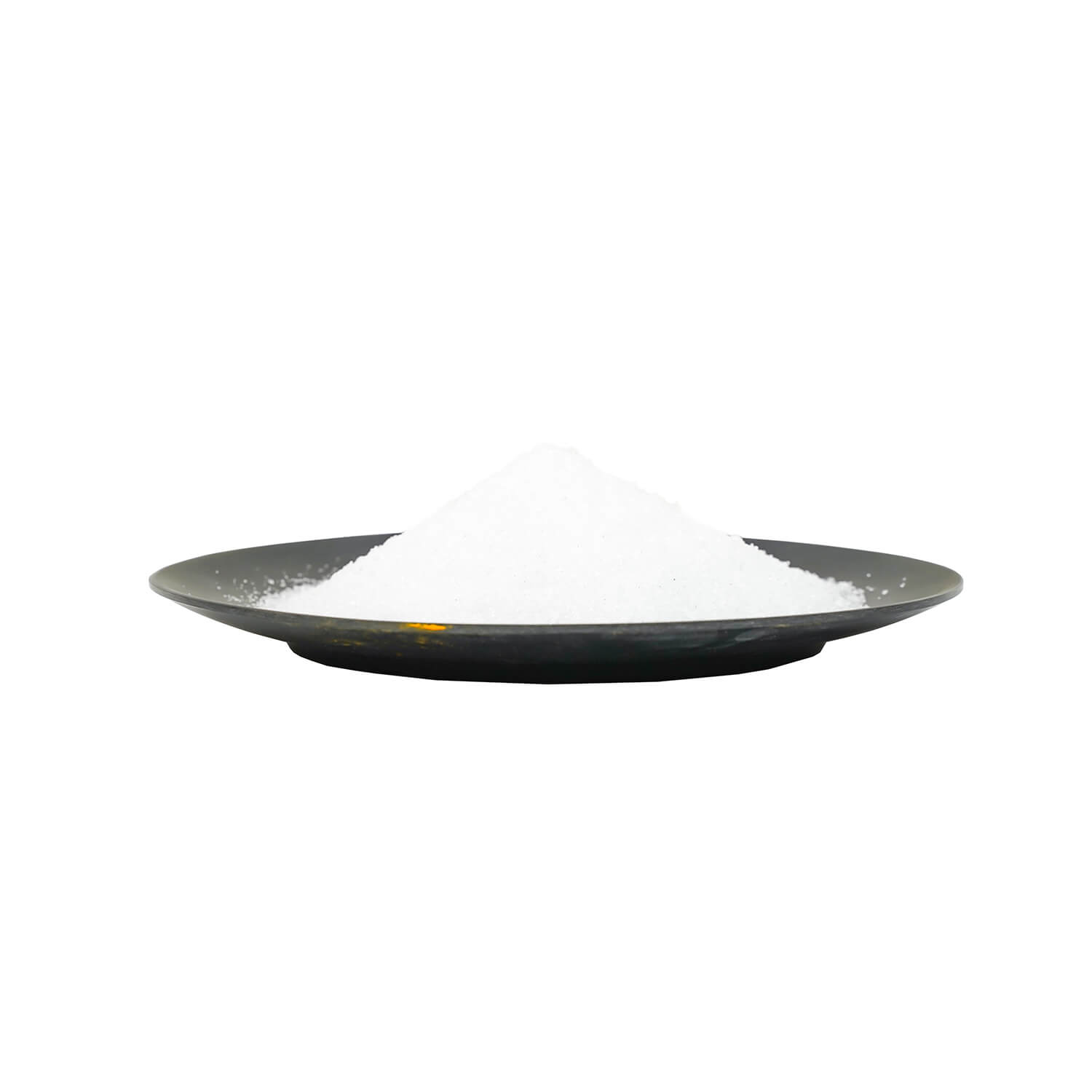
Cetyl Palmitate Cas 540-10-3 is a wax ester widely used as a functional ingredient in cosmetic and personal care formulations. Known for its wax-like physical characteristics, emollient properties, and contribution to formulation texture, Cetyl Palmitate can be incorporated into creams, lotions, emulsions, balms, and other oil-phase cosmetic systems.
For formulators, the value of Cetyl Palmitate extends beyond its basic emollient function. Its physical state, melting behavior, oil-phase compatibility, and influence on skin feel can all affect the structure and sensory profile of a finished formulation.
As demand continues to grow for sophisticated skincare textures and multifunctional cosmetic ingredients, understanding the properties and formulation applications of Cetyl Palmitate can help product developers select appropriate materials for different formulation systems.
What Is Cetyl Palmitate?
Cetyl Palmitate is an ester formed from cetyl alcohol and palmitic acid. It belongs to the broader group of wax esters, which are characterized by an alcohol component and a fatty acid component linked through an ester bond.
The chemical identity of Cetyl Palmitate is commonly described as follows:
- Product Name: Cetyl Palmitate
- INCI Name: Cetyl Palmitate
- CAS Number: 540-10-3
- Molecular Formula: C32H64O2
- Molecular Weight: approximately 480.86 g/mol
- Chemical Class: Wax ester
- Physical Character: Wax-like solid

 Cetyl Palmitate Cas 540-10-3
The combination of a long-chain fatty alcohol and a long-chain fatty acid gives Cetyl Palmitate characteristics that are useful in oil-based cosmetic formulations.
Unlike low-molecular-weight liquid emollients, Cetyl Palmitate is generally handled as a wax-like material. This difference is important when designing the oil phase, determining processing conditions, and controlling the final texture of creams, balms, and other semi-solid products.
Key Properties of Cetyl Palmitate
The formulation value of Cetyl Palmitate is closely related to its physical and functional properties.
1. Wax Ester Structure
Cetyl Palmitate is a long-chain wax ester. Its structure contributes to its relatively high molecular weight and wax-like physical behavior.
The ester structure also distinguishes Cetyl Palmitate from fatty alcohols such as Cetyl Alcohol. Although both materials can be used in cosmetic formulations, they are chemically different and can provide different formulation characteristics.
2. Emollient Characteristics
One of the most important uses of Cetyl Palmitate in cosmetics is as an emollient.
In skincare formulations, an emollient can contribute to a smoother and more comfortable skin feel. Cetyl Palmitate can therefore be considered when formulators want to modify the sensory characteristics of an oil phase or improve the overall feel of a cream or lotion.
3. Wax-Like Physical Behavior
Cetyl Palmitate has a wax-like consistency at normal ambient conditions. This characteristic makes it particularly relevant to formulations where a certain level of structure or body is required.
Compared with low-viscosity liquid emollients, a wax ester such as Cetyl Palmitate can contribute to the physical characteristics of semi-solid formulations.
4. Melting Behavior
The melting behavior of Cetyl Palmitate is an important technical consideration during manufacturing.
Because Cetyl Palmitate is a wax-like solid, it generally needs to be incorporated into the heated oil phase during processing. The exact processing temperature should be determined according to the complete formulation and the specifications of the supplied material rather than based on a single ingredient value.
This makes melting point and thermal behavior relevant parameters when evaluating Cetyl Palmitate for formulation development.
5. Oil-Phase Compatibility
Cetyl Palmitate is primarily associated with the oil phase of cosmetic formulations. Its compatibility with other oil-phase materials should therefore be evaluated during formulation development.
The interaction between Cetyl Palmitate, liquid emollients, waxes, fatty alcohols, oils, and other lipophilic ingredients can influence the final texture and physical stability of a formulation.
Cetyl Palmitate in Skincare Formulations
Cetyl Palmitate in skincare is primarily associated with formulations where emollience, texture, and oil-phase structure are important.
Its applications can extend across several product categories.
1. Creams and Lotions
Cetyl Palmitate can be incorporated into creams and lotions as part of the oil phase.
In these systems, Cetyl Palmitate can contribute to the emollient profile and modify the sensory characteristics of the finished product. It may also be used alongside other fatty materials and emollients to help achieve a particular consistency and skin feel.
For formulators developing moisturizing creams, facial creams, body lotions, and related emulsions, Cetyl Palmitate can therefore serve as one component of a broader oil-phase system.
2. Emulsion-Based Skincare Products
Cetyl Palmitate can also be considered for oil-in-water and other emulsion-based cosmetic systems.
Its wax ester structure means that its behavior should be evaluated together with emulsifiers, co-emulsifiers, fatty alcohols, oils, and other structuring materials.
The objective is not simply to add Cetyl Palmitate to an emulsion, but to understand how it interacts with the complete formulation.
Changes in the oil phase can affect viscosity, spreadability, appearance, cooling behavior, and long-term physical stability. Consequently, the appropriate level of Cetyl Palmitate should be determined through formulation testing.
3. Balms and Oil-Based Formulations
The wax-like characteristics of Cetyl Palmitate make it relevant to semi-solid and anhydrous systems.
Balms, ointment-like cosmetic products, body-care products, and other oil-based formulations may require a combination of liquid emollients and higher-melting materials to achieve the desired consistency.
In these systems, Cetyl Palmitate can be evaluated as part of the structural and emollient components of the oil phase.
4. Other Personal Care Products
Beyond conventional skincare, Cetyl Palmitate may also be considered for selected haircare and personal care formulations where emollience and sensory modification are required.
The specific application depends on the formulation architecture, target texture, ingredient compatibility, and finished-product specifications.
What Does Cetyl Palmitate Do in Cosmetics?
The question of what Cetyl Palmitate does in cosmetics can be understood through several formulation functions rather than a single benefit.
Emollient Function
Cetyl Palmitate can provide an emollient contribution to cosmetic formulations. It can be used to modify the sensory characteristics of the oil phase and contribute to a smoother application profile.
Texture Modification
Because Cetyl Palmitate is a wax ester with a wax-like physical form, it can influence the consistency and texture of semi-solid formulations.
The final effect depends on the concentration of Cetyl Palmitate and its interaction with other waxes, fatty alcohols, oils, and structuring ingredients.
Skin Feel
Sensory properties are an important consideration in modern skincare formulation.
A formulation containing Cetyl Palmitate may have a different application and after-feel compared with a formulation relying entirely on low-viscosity liquid emollients. This makes Cetyl Palmitate relevant when formulators are optimizing spreadability, richness, body, and overall sensory balance.
Oil-Phase Structuring
Cetyl Palmitate can also contribute to the physical characteristics of an oil phase, particularly in formulations containing multiple waxes and solid or semi-solid lipophilic materials.
Its role should therefore be evaluated as part of the complete formulation rather than in isolation.
Cetyl Palmitate Formulation Considerations
Selecting Cetyl Palmitate for a cosmetic formulation requires consideration of processing and compatibility rather than simply looking at its ingredient function.
Oil Phase Incorporation
Because Cetyl Palmitate is a wax-like solid, it is generally incorporated into the heated oil phase during manufacturing.
The processing temperature should be sufficient to melt the material and allow uniform incorporation, while avoiding unnecessary thermal exposure of heat-sensitive ingredients.
The actual manufacturing process should be established according to the complete formulation and the specifications of the raw material.
Compatibility With Other Ingredients
Cetyl Palmitate may be formulated alongside a variety of cosmetic oils, emollients, waxes, fatty alcohols, emulsifiers, and other oil-phase ingredients.
However, compatibility should always be confirmed experimentally.
A formulation containing several structuring ingredients can behave differently from a formulation containing a single wax ester. Excessive solid-phase materials may affect viscosity, crystallization, spreadability, or stability.
Cetyl Palmitate vs Cetyl Alcohol
Cetyl Palmitate and Cetyl Alcohol(Cas 36653-82-4) are sometimes discussed together because both are used in cosmetic formulations and both contain long-chain hydrocarbon structures. However, they are chemically distinct ingredients.
Cetyl Palmitate is a wax ester formed from cetyl alcohol and palmitic acid, whereas Cetyl Alcohol is a fatty alcohol.
This chemical difference affects their formulation behavior and functional roles.
| Property | Cetyl Palmitate | Cetyl Alcohol |
|---|---|---|
| Chemical class | Wax ester | Fatty alcohol |
| Structure | Ester of cetyl alcohol and palmitic acid | Long-chain fatty alcohol |
| Physical form | Wax-like solid | Wax-like solid |
| Cosmetic role | Emollient and texture modifier | Emollient, consistency agent and co-emulsifying component |
| Formulation focus | Sensory profile and oil-phase characteristics | Structure, viscosity and emulsion support |
Therefore, Cetyl Palmitate should not automatically be treated as a direct one-to-one replacement for Cetyl Alcohol.
When comparing the two ingredients, formulators should evaluate the complete formulation rather than comparing ingredient names alone.
Cetyl Palmitate Compared With Other Cosmetic Esters
Cetyl Palmitate belongs to the broader family of cosmetic esters. However, different esters can provide significantly different sensory and physical characteristics.
Liquid cosmetic esters are often selected when formulators want lightweight spreadability, rapid distribution, or a specific dry-touch profile. In contrast, Cetyl Palmitate has a wax-like physical character and can contribute more to the body and structure of a formulation.
This distinction is particularly relevant when developing modern skincare products where sensory performance is an important formulation objective.
Rather than selecting an ester solely based on its INCI name, formulators should consider:
- Physical state
- Melting behavior
- Oil-phase compatibility
- Spreadability
- Skin feel
- Viscosity contribution
- Compatibility with emulsifiers
- Stability within the finished formulation
Cetyl Palmitate in Modern Cosmetic Formulation
The continued development of advanced skincare textures has increased the importance of ingredients that can contribute both functional and sensory characteristics.
Cetyl Palmitate is relevant to this development because it can combine an emollient role with wax-like physical behavior.
For example, a formulator developing a cream may need a combination of liquid emollients for spreadability and solid or semi-solid materials for body and texture. Cetyl Palmitate can be evaluated as part of this broader formulation strategy.
It is particularly useful to consider Cetyl Palmitate as one component within an ingredient system rather than as a standalone functional ingredient.
Its performance can change depending on the presence of:
- Liquid emollients
- Fatty alcohols
- Waxes
- Esters
- Oils
- Emulsifiers
- Thickeners
- Active ingredients
This system-level approach is important when optimizing a cosmetic formulation for both physical stability and consumer sensory expectations.
Cetyl Palmitate Raw Material for Cosmetic Formulations
For cosmetic manufacturers and formulation developers, selecting Cetyl Palmitate as a raw material requires attention to more than the ingredient name.
Technical parameters such as appearance, purity, physical form, specification, packaging, storage conditions, and supporting documentation can be important during raw material evaluation.
A consistent raw material specification can help formulators maintain reproducibility between laboratory development, pilot production, and commercial manufacturing.
For B2B applications, buyers may also require technical documentation such as a Certificate of Analysis (COA), Safety Data Sheet (SDS/MSDS), product specification, and other supporting documents depending on the intended market and application.
Natural Micron Pharm supplies Cetyl Palmitate for cosmetic and personal care formulation applications. For product specifications, samples, COA, SDS/MSDS, availability, or quotation, manufacturers and formulation teams can contact our technical sales team.
Conclusion
Cetyl Palmitate is a versatile wax ester for cosmetic and personal care formulation development. Its combination of emollient characteristics, wax-like physical behavior, and influence on texture makes it relevant to creams, lotions, emulsions, balms, and other oil-phase systems.
For formulators, the most important consideration is not simply whether Cetyl Palmitate can be used in a particular product, but how it interacts with the complete formulation. Oil-phase composition, processing temperature, emulsification conditions, concentration, ingredient compatibility, and stability testing should all be considered during development.
As cosmetic formulations continue to place greater emphasis on both technical performance and sensory characteristics, Cetyl Palmitate remains a useful ingredient for developing structured and emollient-rich formulations.
Looking for Cetyl Palmitate raw material for cosmetic formulation development?
Contact Natural Micron Pharm for Cetyl Palmitate specifications, COA, SDS/MSDS, samples, availability, and quotation.
FAQ
Q1. What is Cetyl Palmitate?
Cetyl Palmitate is a wax ester produced from cetyl alcohol and palmitic acid. It is used as a cosmetic ingredient, particularly for its emollient characteristics and contribution to formulation texture.
Q2. What does Cetyl Palmitate do in cosmetics?
Cetyl Palmitate can function primarily as an emollient and can also influence the texture, consistency, and sensory characteristics of a formulation’s oil phase.
Q3. Is Cetyl Palmitate an emollient?
Yes. Cetyl Palmitate is commonly used as an emollient in cosmetic formulations. Its contribution to skin feel depends on the overall formulation and the other ingredients used with it.
Q4. Is Cetyl Palmitate soluble in water?
Cetyl Palmitate is not water-soluble. Its behavior is associated primarily with oil-phase systems and lipophilic formulation components.
Q5. What is the difference between Cetyl Palmitate and Cetyl Alcohol?
Cetyl Palmitate is a wax ester formed from cetyl alcohol and palmitic acid, while Cetyl Alcohol is a fatty alcohol. Although both can contribute to cosmetic texture and emollience, their chemical structures and formulation functions are different.